
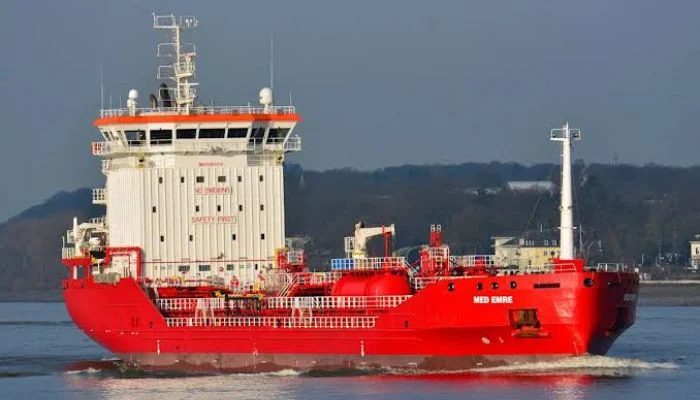
A Malta‑flagged tanker capsized off Ibiza on Nov. 25, killing one crew member and injuring six as Spain moved to avert a fuel spill.
- The 17‑person crew was rescued; one sailor died.
- The vessel carried 4,850 t diesel, 2,000 t aviation fuel and 800 t petrol.
- Spain activated its second‑highest maritime pollution emergency plan.
Capsize Details
The Malta‑flagged Med Emre departed Spain's southern port of Algeciras bound for Barcelona when it began taking on water late on Wednesday, Nov. 25. The ship listed and eventually capsized, turning upside down in the sea off the coast of Ibiza.
All 17 crew members abandoned the vessel and were rescued by Spanish authorities. A 46‑year‑old Turkish sailor later died after being taken to Can Misses Hospital on the island. Six other crew members received treatment for minor injuries, primarily hypothermia.
Initial reports suggested the tanker had sunk, but a rescue aircraft later spotted the hull floating upside down with part of its structure visible above the waterline. The sighting gave officials a chance to intervene before the vessel sank completely.
Environmental Response
Spanish officials confirmed the Med Emre was loaded with more than eight million litres of fuel, comprising 4,850 tonnes of diesel, 2,000 tonnes of aviation fuel and 800 tonnes of petrol. Small traces of fuel have already been detected around the wreck, although preliminary analysis indicated the leaks did not originate from the cargo tanks.
Spain activated the second‑highest level of its national maritime pollution emergency plan to coordinate containment and recovery operations. The surrounding waters host dolphins, sea turtles and the critically endangered Balearic shearwater, raising concerns about a potential ecological impact.
The incident evoked memories of the 2002 Prestige disaster, which remains Spain's worst maritime environmental catastrophe. Authorities have not yet determined the cause of the Med Emre's capsize and continue to monitor the situation while working to secure the fuel and protect the marine environment.