
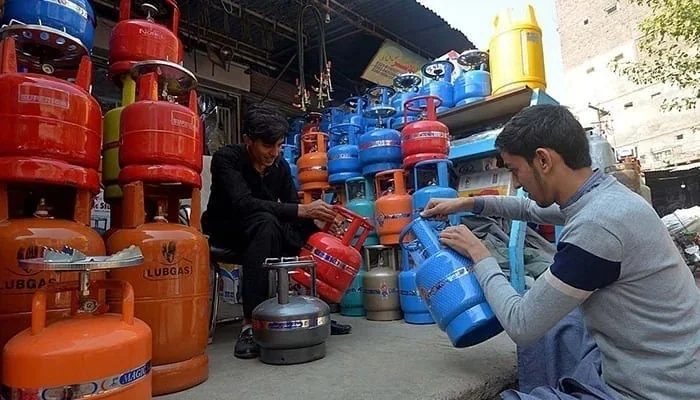
Pakistan's LPG imports stalled as tanker shortages keep prices high, Islamabad, Nov 24, 2026.
- 32,000 tonnes of imported LPG remained stranded.
- Tanker rental costs rose from Rs22,000 to Rs50,000.
- Daily Iranian border inflows reached 7,500 tonnes.
Supply Chain Bottleneck
Industrial sources said that Pakistan's attempts to lower liquefied petroleum gas prices through large‑scale imports failed to relieve consumers. Approximately 32,000 tonnes of imported gas remained trapped in a dysfunctional supply chain plagued by tanker shortages, soaring transportation charges and alleged market collusion. "Despite the arrival of two major LPG cargoes at sea terminals, domestic prices have refused to come down, exposing serious weaknesses in the government's ability to manage imports, transportation and distribution of the essential fuel," industrial sources said.
A top Petroleum Division official explained that the immediate problem was the non‑availability of sufficient LPG tankers to lift imported supplies from sea terminals. Industry sources noted that many tankers had shifted toward the Iranian border, where transporting cheaper LPG generated higher earnings. This shift created a bottleneck at ports and delayed the movement of cargoes into the domestic market.
Transport Costs Surge
Latest data as of Nov 24, 2026 showed LPG inflows via the Iranian border surged to around 7,500 tonnes per day, compared with normal volumes of approximately 3,000 to 3,500 tonnes. The stranded sea imports comprised a 20,000‑metric‑tonne cargo at the Engro terminal · 15,000 tonnes arranged by Sui Southern LPG Limited (SLL) and 5,000 tonnes by a private importer · and a 12,000‑tonne cargo arranged by Pakistan State Oil (PSO). Meanwhile, the bottleneck pushed tanker rental charges up from Rs22,000 to Rs50,000, adding to transport costs and highlighting transport operators' influence over the supply chain.
Market Impact
Because the imported LPG could not reach the market, domestic prices remained high. The shortage of tankers and the rise in transportation costs forced retailers to absorb higher expenses, which were passed on to consumers. The situation also exposed potential collusion among market players, as the shift of tankers to the Iranian border appeared to be driven by profit motives rather than national supply needs.
In summary, Pakistan's strategy to curb LPG prices through imports faltered due to a lack of available tankers, increased transport costs, and a congested supply chain. The stranded cargo, high rental rates, and inflated border inflows collectively kept domestic LPG prices elevated, leaving consumers without the relief the government had promised.