
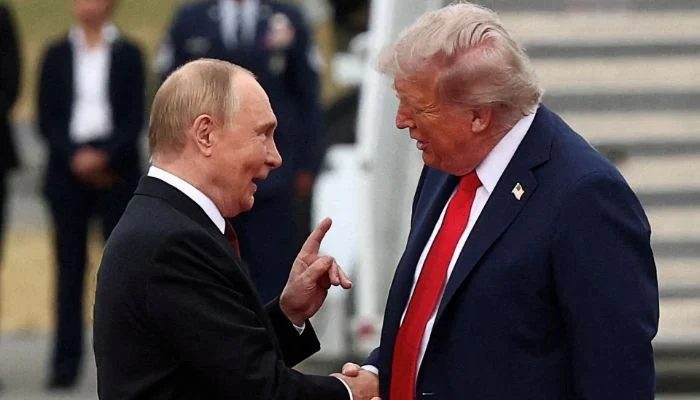
United States President Donald Trump and Russian President Vladimir Putin held a 90-minute phone call on Friday that the Kremlin described as "very substantive and friendly." The conversation was reportedly so cordial that neither leader wanted to hang up first. According to Kremlin foreign policy aide Yuri Ushakov, the two presidents ended the call at almost the exact same moment.
"Neither wanted to be the first to hang up," he said. The discussion focused on major bilateral issues between Washington and Moscow, setting a new tone for diplomatic engagements.
The immediate outcome was an agreement for Russia to supply diesel to the United States and global markets to help lower fuel prices for consumers worldwide. This deal was followed by a temporary easing of certain US sanctions on Russian fuel, drawing swift criticism from regional allies and notably from Ukraine.
Ukrainian President Volodymyr Zelenskiy termed the decision "weak," arguing that increased Russian energy purchases would ultimately finance Moscow's ongoing military campaign. However, the bulk of the Trump-Putin call centered on broader efforts to end the war in Ukraine and establish a lasting diplomatic framework.
The Kremlin said both sides discussed potential paths forward, though Putin downplayed the likelihood of three-way peace talks between Russia, Ukraine, and the United States resuming anytime soon. Territorial disputes remain a primary obstacle to peace, particularly Moscow's demand for control over four Ukrainian regions it does not fully occupy.
Meanwhile, US, Ukrainian, and European negotiators met separately in Miami on Friday to draft a common peace proposal for Moscow. Despite the unusually warm tone between Trump and Putin during their extensive conversation, the underlying geopolitical conflict remains largely unresolved and complex.