
The United States military has spent over $47 billion on operations related to Iran since 2001, according to newly released financial data from the Pentagon. These records confirm that total expenditures reached this significant milestone, covering military operations conducted over the past two decades.
The data reflects long-term regional security commitments and the high costs associated with persistent troop deployments. The Department of Defense (DoD) published these figures as part of a comprehensive review of regional military spending.
These costs encompass a wide range of activities, including the deployment of naval assets in the Persian Gulf, aerial surveillance missions, and the maintenance of military bases across the Middle East. The $47 billion total accounts for direct operational expenses rather than indirect economic impacts or long-term veteran care costs.
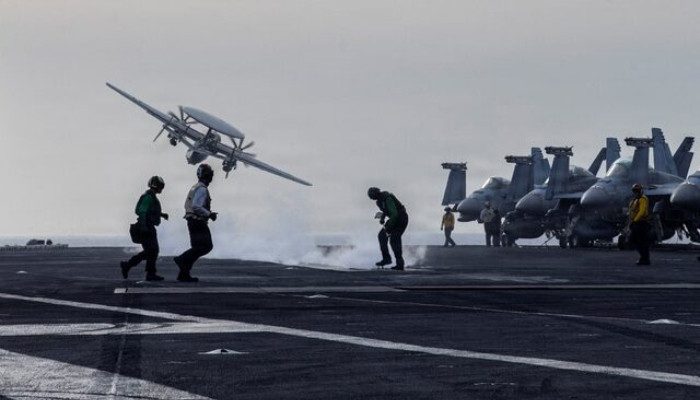
Military officials stated that these funds supported the continuous presence of carrier strike groups and the implementation of regional missile defense systems. The spending also included the logistical support required for intelligence gathering and the reinforcement of allied security frameworks in the region.
The Pentagon categorized these expenditures under overseas contingency operations, a budgetary designation used for military actions outside of standard annual defense appropriations. The financial report highlights the scale of resources dedicated to monitoring and countering Iranian influence over the past two decades.
Analysts noted that the spending fluctuated based on regional tensions and the specific requirements of military commanders on the ground. The data provides a detailed breakdown of how the United States funded its posture in the Gulf, particularly during periods of heightened diplomatic friction and maritime security challenges.
The Pentagon confirmed that these figures represent the cumulative investment in regional stability efforts. The report serves as an official accounting of the resources diverted to manage the military relationship with Iran.
Lawmakers in Washington requested the data to better understand the fiscal burden of maintaining a persistent military footprint in the area. The Department of Defense continues to track these costs as part of its ongoing strategic planning for the Middle East theater.
Furthermore, the report underscores the complexity of modern military logistics in a volatile region. By maintaining a constant state of readiness, the U.S. military has incurred significant costs that extend beyond simple combat operations.
These figures are expected to play a central role in future congressional debates regarding defense budgets and the necessity of maintaining such a large-scale presence in the Middle East. As the geopolitical landscape continues to evolve, the Pentagon remains committed to transparency regarding these expenditures.
The release of this data is seen as a move to provide clarity to the public and policymakers alike. The ongoing monitoring of these costs will remain a priority for the Department of Defense as it balances fiscal responsibility with national security objectives in the region.