
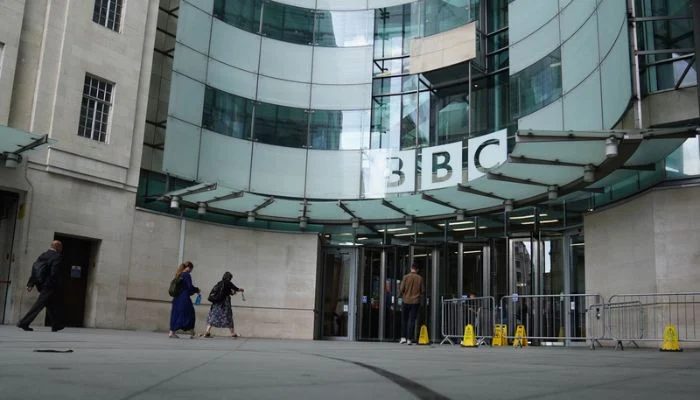
The BBC has announced plans to shut down three of its broadcast services and cut more than 100 jobs in its news division as Britain's public broadcaster struggles to save £500 million. On Tuesday, the corporation announced that it would be shutting down the traditional television and radio reach of its BBC Three and BBC Scotland services in spring 2027, as well as the BBC 4 Extra service.
The services will not be eliminated totally, though. Programmes on BBC Three will remain on BBC iPlayer, and other platforms such as Radio 4 Extra's content will also be accessible digitally.
But what makes the latest announcement particularly significant is that the BBC has reportedly achieved less than half of its savings target. According to The Guardian, the broadcaster has so far identified around £200 million in cuts, leaving approximately £300 million still to be found.
The BBC also plans to eliminate more than 100 news jobs, saving approximately £5.5 million. The announcement comes as director general Tim Davie attempts to reshape the corporation amid declining revenues and changing viewing habits.
Interestingly, BBC Three has already been through a similar transformation. The channel went online in 2016, before switching back to traditional TV in 2022.
It will now be back to the digital-only format. But the move has been criticised by trade unions and also by Scottish politicians.
Scottish culture secretary Mairi McAllan condemned the BBC shutting down its television channel in Scotland as "unacceptable" and expressed concern about its dedication to regional viewers. At the same time, the broadcasting union Bectu said repeated cuts could have a long-term impact on the BBC and have the potential to further erode staff morale.
The corporation has stated it has been forced to shift its focus on digital platforms, since viewership of traditional TV channels continues to decline. As the broadcaster navigates this transition, the pressure to maintain quality journalism while balancing the books remains a significant challenge for the leadership.
The financial strain on the BBC is reflective of broader trends in the media industry, where traditional advertising and license fee models are being challenged by streaming giants. The decision to cut jobs in the news division is particularly sensitive, as it raises questions about the future of investigative reporting and local news coverage.
As the 2027 deadline approaches, the BBC will need to manage the transition carefully to ensure that its digital offerings can compensate for the loss of traditional broadcast reach. Whether this strategy will be enough to bridge the remaining £300 million gap remains to be seen.
Ultimately, the broadcaster faces a delicate balancing act: modernizing its operations to stay relevant in a digital-first world while maintaining its public service mandate. The coming months will likely see further negotiations between the BBC, government officials, and labor representatives regarding the scale and impact of these cuts.