
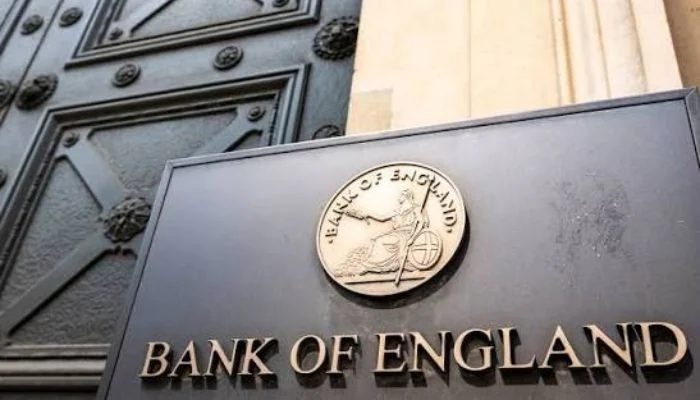
The Bank of England (BoE) raised interest rates to 4% on Thursday, November 5, delivering its first increase in more than three years as rising energy prices threaten to push inflation to 5% next year. The central bank increased its benchmark rate by 0.25 percentage points from 3.75%, with eight members of its nine-member Monetary Policy Committee voting in favour of the decision.
The remaining member, Catherine Mann, called for a bigger increase to 4.25% amid concerns that rising prices could become harder to control. The decision comes as Britain faces renewed inflationary pressure from the conflict in the Middle East, which has pushed up fuel and energy costs.
Annual inflation reached 3.5% in September, well above the central bank's 2% target, and is expected to climb to around 5% by mid-2027. For British households, the immediate impact will be higher borrowing costs, particularly for homeowners with tracker and variable-rate mortgages.
According to MoneySavingExpert, the increase could add approximately £15 a month for every £100,000 owed on a tracker mortgage. Those with fixed-rate mortgages will see no immediate change in their monthly payments, although they could face higher costs when their existing deals expire.
Savers, meanwhile, could benefit if banks pass on the increase through higher interest rates on savings accounts. However, higher inflation could reduce the purchasing power of their savings.
The rate hike is intended to discourage excessive borrowing and spending, helping bring inflation under control, although it will not immediately lower household energy bills. Bank of England Governor Andrew Bailey said the decision should not be interpreted as the beginning of an unavoidable series of increases, but warned that further action might be needed if the Middle East conflict continued.
The central bank's next interest rate decision is scheduled for December 17. Economic analysts suggest that the move reflects a global trend of central banks tightening monetary policy to combat post-pandemic inflationary spikes.
As the UK navigates these economic headwinds, the government remains under pressure to provide relief to low-income families struggling with the cost-of-living crisis.