
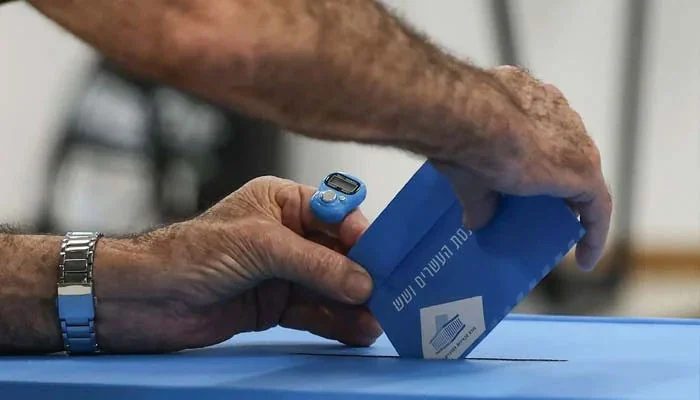
The trigger for writing this article is the recent elections in Israel and the Occupied Palestinian Territories. Democracy presents itself as the most legitimate form of government, founded on popular sovereignty, public representation, and equal rights.
Yet the contemporary world offers a disturbing contradiction: some states celebrated for their democratic institutions are also accused of grave human rights violations, while others deliver economic progress without claiming to follow the conventional Western model of democracy. This raises a fundamental question: should democracy be judged by the procedure of electing governments or by the rights, freedoms, and welfare it guarantees to all people under its authority?
Israel and India offer revealing examples of this contradiction. Both have established electoral systems, competitive political parties, and functioning representative institutions.
Their democratic credentials are frequently praised, although the human rights records of both countries invite serious scrutiny. The question is not whether their elections take place, but whether the benefits of democracy extend equally to everyone.
Israel's electoral system has demonstrated the capacity to sustain political competition and changes in government. India, too, has maintained a vast electoral exercise involving hundreds of millions of voters.
However, concerns over electoral rolls, voter-list revisions, allegations of manipulation, and the treatment of political opposition have raised questions about the fairness and inclusiveness of its democratic process. The deeper problem lies in the selective application of democratic principles.
In India, religious minorities, particularly Muslims, face growing concerns over discrimination, exclusion, and insecurity. Kashmir remains an especially serious stain on India's democratic claims.
The denial of the Kashmiri people's right to determine their political future cannot be reconciled easily with the principles of freedom. Israel presents an even more devastating contradiction in its treatment of Palestinians.
The occupation, settlement expansion, displacement, and immense suffering inflicted on civilians have exposed the limitations of this system. The scale of destruction in Gaza has further intensified international condemnation.
Elections within Israel cannot, by themselves, establish the democratic legitimacy of policies imposed on Palestinians in occupied territory.