
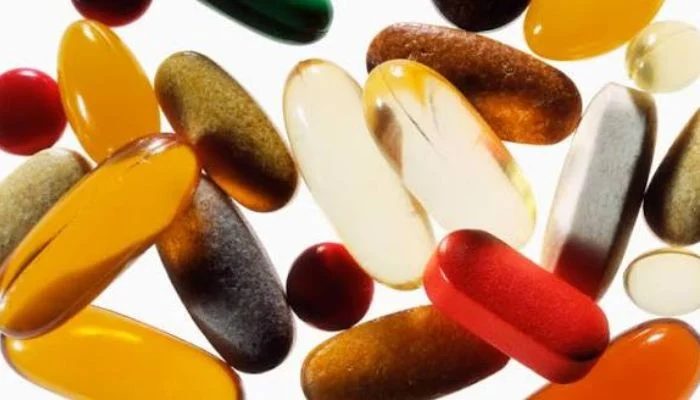
A surge in supplement use among users of weight-loss drugs like Ozempic and Wegovy is being fueled by TikTok influencers, prompting doctors to raise alarms and US regulators to consider stricter oversight. GLP-1 drugs have become among the biggest medical breakthroughs in years, with some 10 million Americans using them last year.
JPMorgan predicts that the reach can rise to 25 million by 2030. But side effects such as nausea, fatigue, and gastrointestinal distress have pushed many users towards dietary supplements, with nearly half of GLP-1 users starting new vitamins and supplements after beginning the drugs.
Sales of health supplements in the United States reached $74 billion in 2025, while TikTok Shop made over $1 billion from supplement sales in that year, representing 5.4% of all e-commerce supplement sales. Social media influencers like Allison Vecchio, a 42-year-old ER nurse with 25,000 followers, recommend health products such as fiber, collagen, and electrolytes worth $200-$300 monthly.
On the other hand, supplements in the United States do not need any approval from the US Food and Drug Administration (FDA) before entering the market, which makes it hard to assess their scientific value. Health officials have recommended stringent regulations for supplements, while the FDA is increasing the oversight of new dietary ingredients.
There is an FDA-proposed rule that bans the path allowing a company to claim a substance 'generally recognized as safe' without informing the FDA - a regulation that has split the industry. Medical experts warn that the lack of clinical evidence for many of these supplements, combined with the potential for adverse interactions with weight-loss medications, poses a significant public health risk.
Patients are often bypassing professional medical advice in favor of viral trends. The FDA is currently under pressure to modernize its regulatory framework to keep pace with the rapid growth of the digital supplement market.
Critics argue that the current 'self-affirmed' safety status of many ingredients is outdated and dangerous. As the debate continues, consumers are urged to consult with healthcare providers before adding new supplements to their regimen, especially while on prescription weight-loss treatments.
The intersection of social media marketing and pharmaceutical usage creates a complex landscape where profit often outweighs patient safety. Regulators are now racing to close loopholes that allow unverified products to reach millions of vulnerable users.
Ultimately, the future of the supplement industry may depend on whether the FDA succeeds in implementing these stricter oversight measures to ensure consumer protection in an increasingly digital marketplace.