
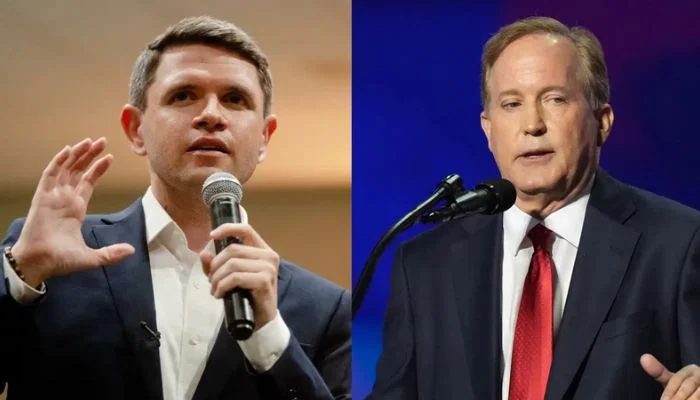
Elon Musk has allegedly poured $168 million into Republican political groups supporting Texas Senate candidate Ken Paxton as the party faces a closely contested election against Democrat James Talarico. The race, which has garnered almost $340 million in ads, has emerged as a significant political challenge for U.S. President Donald Trump as the November 3 mid-term elections approach.
The Associated Press (AP) reports that Musk contributed $158 million to the Senate Leadership Fund, which subsequently funneled the amount to Texas PAC, a key backer of Paxton. He also provided an additional $10 million to the Republican candidate's Lone Star Liberty PAC.
Texas Attorney General and incumbent Republican Senator John Cornyn faced Paxton in the party primary and was defeated. However, Paxton's campaign has faced scrutiny over previous corruption allegations, including a 2023 impeachment by the Republican-led Texas House.
The state Senate later acquitted him. Meanwhile, Talarico has centered his campaign on rising living costs and political corruption, accusing wealthy donors of exerting excessive influence over American politics.
The Democratic candidate has also received support from prominent Republicans, including Neil Bush, the brother of former President George W. Bush.
Despite Texas's longstanding Republican dominance, Democrats have intensified efforts to win the Senate seat, which could prove pivotal in determining control of the upper chamber. The party has not won a statewide election in Texas for more than three decades.
Paxton has sought to portray Talarico as too liberal for the state's voters, while emphasizing his support for Trump's political agenda. Analysts suggest that the massive influx of capital from Musk could alter the trajectory of the campaign in its final weeks.
The scale of spending in this specific race reflects the broader national trend of billionaire involvement in U.S. elections. Political action committees (PACs) have become the primary vehicles for such donations, allowing for unprecedented levels of advertising and voter outreach.
As the November 3 date draws closer, both campaigns are focusing on mobilizing their respective bases. For the Republican party, retaining this seat is essential to maintaining their legislative influence in the region.
Conversely, the Democratic party views this contest as a litmus test for their ability to compete in traditionally conservative strongholds. The outcome will likely influence future campaign strategies for both parties across the United States.
Ultimately, the voters of Texas will decide whether the financial backing of figures like Musk will be enough to overcome the grassroots momentum generated by the opposition.