
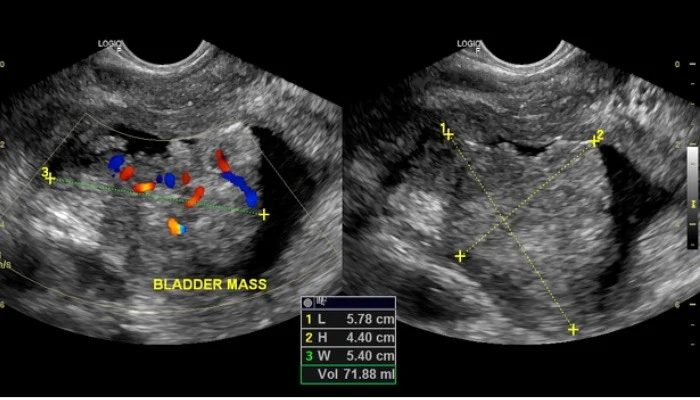
On November 14, 2026, the United States Food and Drug Administration approved AstraZeneca's Imfinzi regimen for adults with muscle-invasive bladder cancer.
- The FDA approved Imfinzi with enfortumab vedotin for muscle-invasive bladder cancer.
- The Phase III VOLGA trial showed a forty-nine percent reduction in disease progression risk.
- Regulatory applications are underway globally following the priority review approval.
Phase III VOLGA trial results
The United States Food and Drug Administration approved AstraZeneca's Imfinzi, also known as durvalumab, in combination with enfortumab vedotin as a neoadjuvant treatment. This regimen is followed by Imfinzi monotherapy after surgery for adults with muscle-invasive bladder cancer who are ineligible for or have refused cisplatin-based chemotherapy. The regulatory agency granted the approval under Priority Review based on the Phase III VOLGA trial. Researchers presented these findings at the 2026 ESMO Congress and published them in The New England Journal of Medicine.
Trial results demonstrated that the regimen reduced the risk of disease progression, recurrence, not undergoing surgery, or death by forty-nine percent, yielding an event-free survival hazard ratio of 0.51. The treatment also cut the risk of death by forty-one percent, with an overall survival hazard ratio of 0.58 versus surgery alone. An estimated sixty-four percent of treated patients remained event-free at two years, compared with forty-five percent in the comparator arm. Furthermore, seventy-eight percent of patients were alive at two years, versus sixty-nine percent in the control group.
Clinical impact and safety
Dr Jonathan Rosenberg of the Memorial Sloan Kettering Cancer Centre commented on the therapeutic advancement. He stated that this approval brings the first perioperative immunotherapy regimen where enfortumab vedotin is administered only in the neoadjuvant setting. He added that the VOLGA regimen has the potential to become a new standard of care in this curative-intent setting.
About one in four bladder cancer patients has muscle-invasive disease, and up to half are ineligible for cisplatin due to impaired kidney function or comorbidities. Historically, these patients faced radical cystectomy alone, which carried high recurrence rates. Regarding safety, the profile remained consistent with the individual medicines. Grade three or four adverse events occurred in sixty-four percent of treated patients, compared with forty-four percent in the comparator arm. The approval marks AstraZeneca's third bladder indication in two years, and regulatory applications are currently proceeding in other countries.