
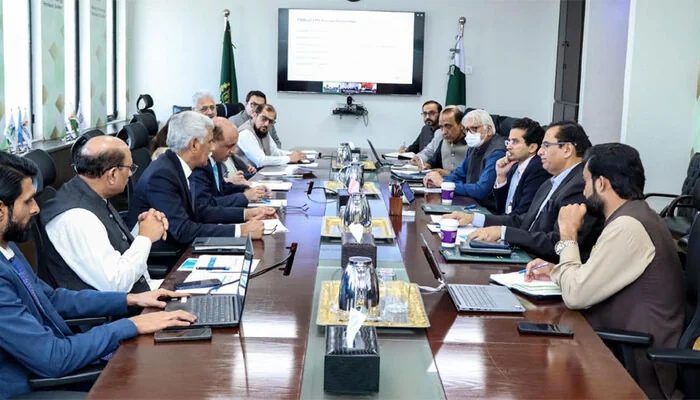
The government has rolled out a new auction system for locally produced liquefied petroleum gas (LPG), under which 90% of output will be sold through a competitive bidding process open to media scrutiny. This decision was discussed during the first meeting of a committee established to ensure transparent LPG auctions, where Minister of State for Petroleum Ali Pervaiz Malik stated that addressing public concerns over fuel availability and unfair pricing is a government priority.
The minister emphasized that the new system would ensure fair distribution, supply chain stability, and energy security, with all eligible companies provided equal opportunities to participate. During the meeting, chaired by the Secretary of Petroleum, it was decided that local producers would allocate 10% of their production to government-owned marketing companies to meet the needs of remote areas.
The remaining 90% will be sold via transparent auction in the presence of the media, with each company allowed to acquire a maximum of 20 metric tons per day. Earlier this year, the federal cabinet approved a broader LPG policy directing four state-owned enterprises to re-enter the import business to ease shortages.
The government also plans to provide subsidized LPG at 300 to 350 rupees per kilogram to deserving consumers under the Benazir Income Support Programme (BISP). This policy comes amid an LPG shortage linked to border disruptions, which has caused open market prices to soar.
A top official from the Petroleum Division stated, "The proposed investment aims to strengthen the country's LPG supply chain and meet growing demand amid declining domestic natural gas production." Pakistan's existing infrastructure comprises approximately 100,000 metric tons of storage capacity, a fleet of 2,600 bowsers, and nearly 5 million cylinders, though this remains inadequate to meet the country's rising energy requirements.