Disruptions in the Strait of Hormuz could push small and medium-sized businesses out of global supply chains, increasing economic concentration and weakening the resilience of international trade, the United Nations Conference on Trade and Development said on Tuesday.
Rising energy bills, freight rates, insurance premiums and financing constraints sparked by the US-Iran conflict place heavier burdens on small and medium-sized enterprises (SMEs) than on large firms, leaving them more vulnerable than large corporations that can diversify suppliers, markets and funding sources, the organisation said. SMEs account for around 90 per cent of global businesses, 70 per cent of employment and 50 per cent of world GDP, according to the report, meaning the disruptions risk ripple effects far beyond the shipping lanes.
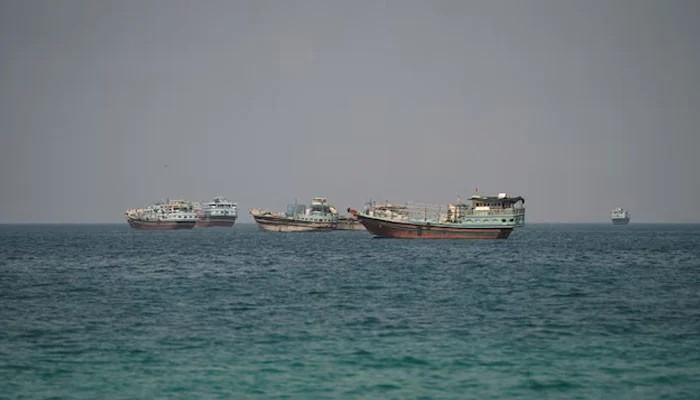
For months, markets have been rattled by the conflict in the Middle East which has caused major disruptions to shipping through the Strait of Hormuz, the strategic waterway between Iran and Oman through which a substantial share of global oil trade usually passes. After a month of calm in August, fighting in the Gulf resumed, with Iran and the US exchanging fire, sending global oil prices back up to levels unseen since July. Brent crude prices were up more than 2.0 per cent on Tuesday, above $99 a barrel.
Houthi attacks on southwestern Saudi Arabia have the potential to deepen the economic impact of the conflict by disrupting Middle East energy supplies beyond the blockaded Strait of Hormuz. UNCTAD warned the disruption risked an "SME exclusion effect", where smaller companies could be forced to scale back production, delay investments or exit value chains altogether, even if overall trade volumes eventually improve.