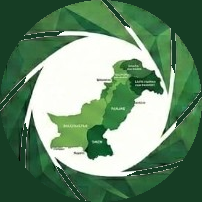
The debate on new provinces is being sold as a cure for a collapsed system. But it will not govern better; rather, it will divide more sharply. A polarised federation does not become a developmental state by drawing new lines. It becomes a louder version of the same extractive state: more slogans, more patronage, less responsibility. Whether Pakistan has four provinces or fourteen will not decide its future. The question is whether the elite will keep a state that lives off society or build one that invests in people and institutions.
An extractive state taxes and borrows to sustain patronage and privilege. A developmental state values competence more than loyalty. That contest did not begin last month. What began last month is a blame game. The 18th Amendment moved power to provincial capitals, at least in theory, and then stopped. Local government was never built. Those who have actually run the country have not delivered effective governance or a growing economy. Debt, weak investment, poor services and a security crisis on the periphery are not the fault of the number four. They are the record of a system that extracts more than it develops.
When that record becomes hard to defend, the structure is blamed so that those who held it need not answer for it. Ministers who do not speak only for themselves float inevitability. Parties are invited to fight over the wreckage. That is a proxy argument. In a polarised country, it increases polarisation. The grievances used to justify the quarrel are real. Distance from Lahore or Quetta is a daily cost. Southern Punjab's gap is measurable. Hazara and Bahawalpur have older claims. Karachi's failure is obvious. None of this justifies the formula now being sold: Pakistan has a quarter of a billion people and four provinces; India has 28 states; America has 50; therefore, multiply the units?
Capable federations assign functions and money below the state. That is the work this state has refused to do. There is still no plan, no serious analysis, no study. Interior Minister Mohsin Naqvi says new administrative units "will have to be created. No one can stop it" and that public opinion should decide. But who, exactly, does Mohsin Naqvi represent when he declares what 'will have to be' done? At the same time, talk of a 28th Amendment suggests that the proposed restructuring could require changes to the constitutional and fiscal arrangements governing the federation. Article 239 already requires a two-thirds majority in parliament and a two-thirds majority in the assembly of any province being divided. A referendum can test public sentiment. It cannot rewrite the federation.