
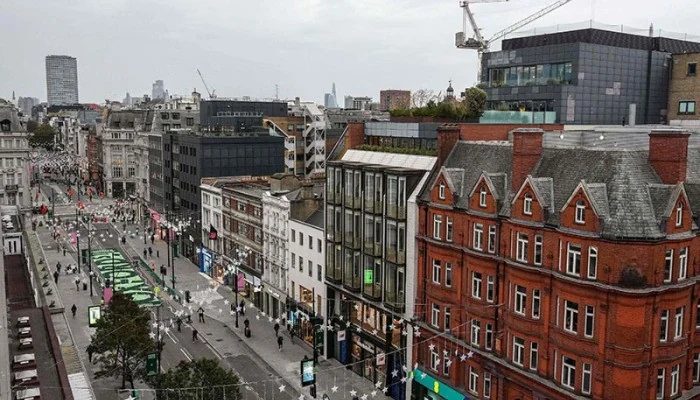
Karachi Mayor Murtaza Wahab has announced ambitious plans to designate specific roads within the metropolis as pedestrian-only zones. This initiative draws direct inspiration from London's recent successful efforts to pedestrianise a significant stretch of its iconic Oxford Street, aiming to transform the urban landscape of Pakistan's largest city.
During a press briefing, Mayor Wahab noted that the Mayor of London had successfully allocated a one-kilometre section of Oxford Street exclusively for pedestrians. This move has received widespread appreciation from urban planners and the general public alike, serving as a model for modern, citizen-centric city management.
He highlighted a crucial observation regarding the political climate in the United Kingdom, noting that political parties in London did not create legal hurdles or protests to closing Oxford Street to vehicular traffic. He underscored that this level of political cooperation is essential for implementing meaningful urban development initiatives that benefit the public at large.
Taking inspiration from this international precedent, Karachi's municipal administration plans to identify selected roads that can be closed to traffic and reserved solely for pedestrians. The goal is to create safe, walkable spaces that encourage commerce and social interaction, moving away from the car-centric design that currently dominates the city's infrastructure.
A stretch of London's famous shopping street, Oxford Street, was made permanently traffic-free on Monday, 26 October. This change allows pedestrians to take over an area previously used by heavy vehicles, including the capital's iconic red double-decker buses and black cabs, effectively reclaiming the space for the community.
Around half of the street has been pedestrianised in the first phase of the London project. Authorities there have indicated that plans to extend the restrictions to the remaining sections are already in motion, contingent upon the long-term success and public reception of the initial phase.
For Karachi, the challenge lies in balancing the city's dense traffic requirements with the need for pedestrian-friendly zones. Mayor Wahab expressed confidence that by adopting global best practices, the city can improve the quality of life for its residents while reducing carbon emissions and noise pollution in busy commercial districts.
Urban experts in Pakistan have welcomed the announcement, noting that Karachi has long suffered from a lack of dedicated public spaces. They argue that if implemented correctly, this project could serve as a pilot for other major cities across the country, fostering a culture of walking and public transit usage.
The municipal administration is currently conducting feasibility studies to determine which areas of Karachi are best suited for this transition. Factors such as traffic flow, alternative routes, and the impact on local businesses are being carefully evaluated to ensure the project's sustainability.
As the city looks toward the future, the success of this pedestrianisation initiative will likely depend on the continued support of the provincial government and the cooperation of the public. If successful, it could mark a significant turning point in how Karachi manages its public spaces and urban mobility.