
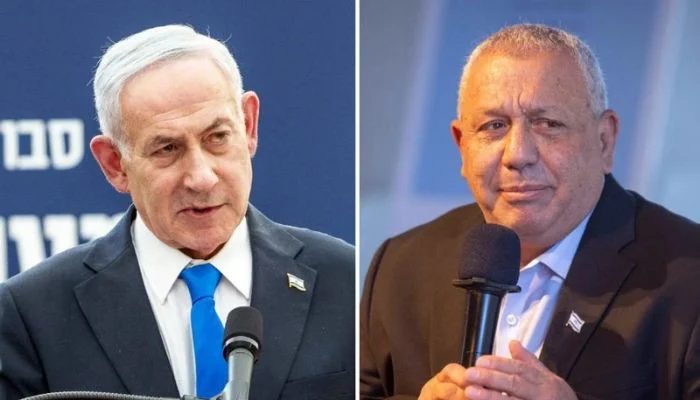
Israelis will go to the polls in a pivotal election next week that could end Prime Minister Benjamin Netanyahu's long political career, but which may not bring peace to the Middle East. The October 27 election comes after years of conflict involving Iran, Gaza, and Lebanon, with Netanyahu facing opposition from former military chief Gadi Eisenkot.
Regional experts say a new Israeli government is not likely to drop its military operation against Iran, though the outcome of the elections will determine who is in charge. But why should Netanyahu's opponents be sticking with policies they have condemned?
The solution lies in the rise of a common understanding amongst the political and security circles in Israel. The three priorities that Israel's leaders increasingly agree on show that disagreements are mainly on the degree of intensity to be applied to those policies.
Coincidentally, the same division applies to the Palestinian issue as well. Palestinian analyst Ghassan al-Khatib noted that if the opposition comes to power, they would likely take a less aggressive stance in their foreign policy, although little is expected to change in core policies.
Meanwhile, Netanyahu has suggested that Israel should focus more on striking first than responding to threats. The election also poses a challenge for Gulf states, who oppose Israeli policies in the Palestinian territories but worry about the influence of Iran in the region.
Even if Netanyahu loses, the confrontation between Israel and Iran could continue under his successor.