
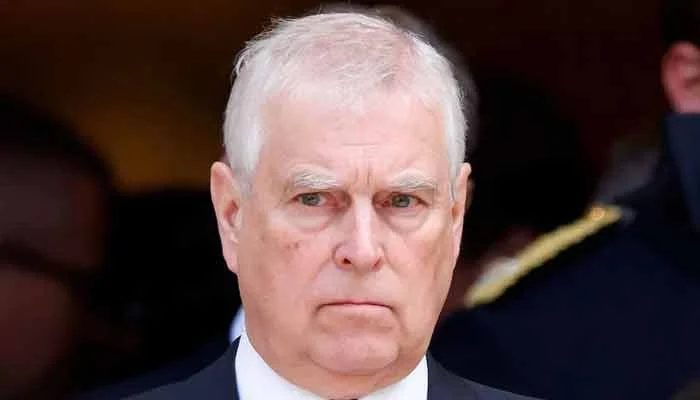
King Charles's younger brother, Andrew Mountbatten-Windsor, can be called to give evidence in a High Court trial involving allegations of fraud against a Turkish businessman, a judge has ruled. The legal proceedings have drawn significant public attention due to the involvement of a senior member of the British Royal Family in a complex financial dispute.
Businessman Selman Turk is being sued by fellow Turkish national Nebahat Isbilen, with a trial in London expected to begin in November. The case centers on allegations of financial misconduct and the misuse of funds, which have led to a protracted legal battle between the two parties involved.
Ms Isbilen alleges that Turk, her former adviser, misled her over a £750,000 payment made to Mountbatten-Windsor in 2019, which was later paid back. The nature of this transaction has become a focal point of the defense strategy, as Turk seeks to clarify the circumstances surrounding the transfer of these funds.
Turk denies dishonesty and made a bid to be allowed to call Mountbatten-Windsor to give evidence at the trial. His legal team argued that the testimony of the Prince is essential to establishing the full context of the financial arrangements and to refute the claims of fraud brought against him by Ms Isbilen.
In a judgment on Friday, Justice Adam Johnson agreed and allowed Mr Turk to rely on a witness summary, as well as giving him permission to seek to call evidence from Mountbatten-Windsor. The judge emphasized that the court must ensure all relevant parties have the opportunity to present their side of the story.
He said: "Given the seriousness of the allegations, both on their own terms and in light of their wider impact, fairness requires that Mr Turk should be afforded an opportunity of putting forward his own case, using the evidence he considers relevant and material."
The judge later clarified that his decision only meant Turk could call evidence from Mr Mountbatten-Windsor. He noted that a witness summons will likely be needed to compel him to give evidence, as the Prince has not yet volunteered to appear in court voluntarily.
Legal experts suggest that this ruling could have broader implications for how high-profile figures are treated in civil litigation. The court's willingness to involve a member of the Royal Family underscores the principle that no individual is above the requirements of the judicial process when material evidence is at stake.
As the November trial date approaches, both the legal teams and the public will be watching closely to see how the testimony unfolds. The outcome of this case remains uncertain, but the inclusion of Mountbatten-Windsor as a potential witness marks a significant development in the proceedings.
The Royal Household has not yet issued a formal statement regarding the court's decision. Observers remain curious about whether the Prince will contest the summons or cooperate fully with the High Court's request for his testimony in the coming months.