
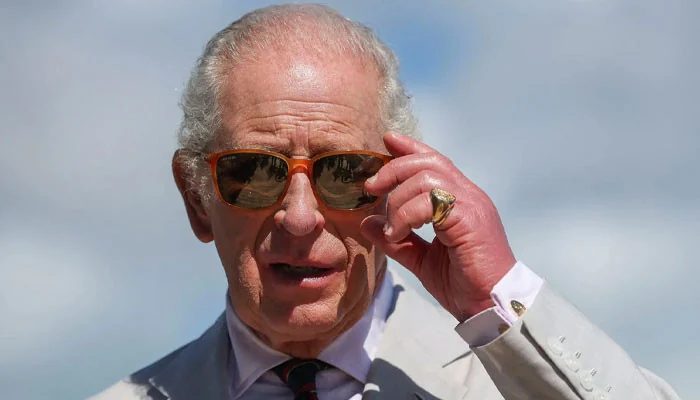
Buckingham Palace issued a statement regarding the monarch as calls for reparations during his high-stakes visit threatened to overshadow the tour. It has been made clear that King Charles will not issue a formal apology but will acknowledge "the most shameful aspects of our past." Despite the ongoing turmoil, the monarch appeared in good spirits, embracing the festivities of a traditional street party on the second day of his Caribbean visit.
The 'Junkanoo' is a cherished cultural tradition in The Bahamas, and Charles appeared immersed in the colourful spectacle. The irony of the matter is that the Junkanoo traces back to the 18th and early 19th centuries in British American colonies, when enslaved Africans celebrated their traditions to preserve their cultural identity.
Passed down through generations, this tradition continues as a sign of storytelling and unity. The update comes after Charles was met with protestors holding placards reading 'Pay us what you owe' and 'Reparations now' upon his arrival.
While the number of protestors is growing, many supporters were also present. The royal tour, intended to strengthen diplomatic ties, has become a focal point for activists demanding accountability for the British Empire's historical role in the slave trade.
Palace officials have emphasized that the King is focused on listening to the concerns of the Commonwealth nations. Observers note that the King's strategy of acknowledging historical grievances without offering a formal apology is a delicate balancing act.
By engaging in local cultural events like the Junkanoo, the monarch aims to project a modern image of the monarchy that respects local heritage. However, the pressure from advocacy groups remains significant.
These groups argue that symbolic gestures are insufficient and that concrete financial reparations are necessary to address the long-term economic impacts of colonialism. As the tour progresses, security remains tight around the royal entourage.
The local government has expressed its commitment to ensuring the safety of the King while respecting the right of citizens to protest peacefully. The debate over reparations is not limited to The Bahamas; it is a broader conversation occurring across several Caribbean nations.
The outcome of this visit may set a precedent for how the British monarchy handles similar diplomatic challenges in the future. Despite the political tension, the King's participation in local festivities has been welcomed by many residents who view the visit as an opportunity for dialogue.
The palace continues to monitor the situation closely as the tour moves to its next phase. Ultimately, the success of the visit will likely be measured by the King's ability to navigate these complex historical narratives while maintaining the relevance of the monarchy in a changing global landscape.