
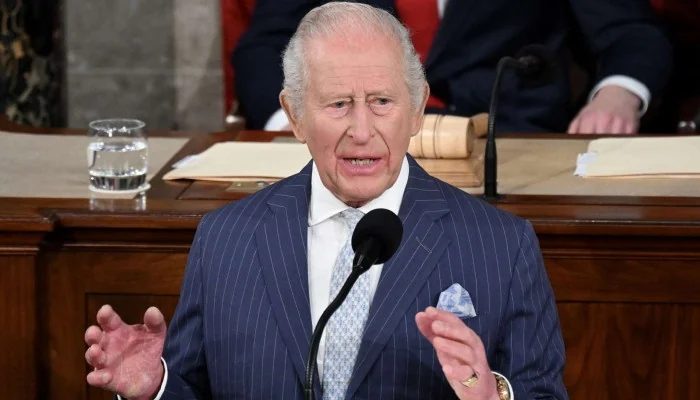
King Charles is not shying away from putting a bold offer on the table if it helps cool down the intensifying backlash. The monarch recently completed his nine-day Caribbean tour, which remained the centre of attention due to growing calls for an apology and reparations from the United Kingdom (UK) regarding the history of slavery.
The topic of slavery reparations had been in the headlines even before the King set foot in the Bahamas on 27 October. It has been reported that the royal family is fully open to the idea, stating, "We have absolutely no difficulty with that." A royal aide shared, "The King and the royal family are there to serve the people of these regions for as long as they wish."
The discourse surrounding the Commonwealth and the role of the monarchy has shifted significantly in recent years. Many nations within the Caribbean are now actively debating whether to transition into republics, following the path taken by Barbados in 2021.
The royal household acknowledges that the political landscape is evolving rapidly across the globe. "The family serves when it is wanted, and if not, then a new arrangement can be found," the aide added.
This statement marks a departure from the traditional silence usually maintained by Buckingham Palace on constitutional matters. It suggests a pragmatic approach to the future of the monarchy in the modern era.
Observers note that the King is attempting to modernize the institution while navigating the complex legacy of the British Empire. By acknowledging the pain caused by historical injustices, the palace hopes to maintain diplomatic ties with Commonwealth realms while respecting their sovereignty.
The nine-day tour was intended to strengthen bonds, but it instead highlighted the deep-seated grievances of local populations. Protests in various cities underscored the demand for a formal apology for the role the monarchy played in the transatlantic slave trade.
Political analysts suggest that the King's willingness to discuss these sensitive topics is a strategic move to preserve the relevance of the crown. If the monarchy fails to adapt to these changing sentiments, it risks further isolation from its international partners.
The royal family has emphasized that they are listening to the voices of the people. Whether this will lead to concrete policy changes or financial reparations remains a subject of intense debate within the British Parliament and the Commonwealth nations.
As the world watches, the King's stance remains a focal point for those seeking justice and historical accountability. The coming months will likely see further discussions on how the United Kingdom (UK) intends to address these long-standing issues.
Ultimately, the future of the monarchy in these regions rests on the consent of the governed. The King's offer to step aside if requested is a significant acknowledgment of the democratic aspirations of the people he currently represents.