
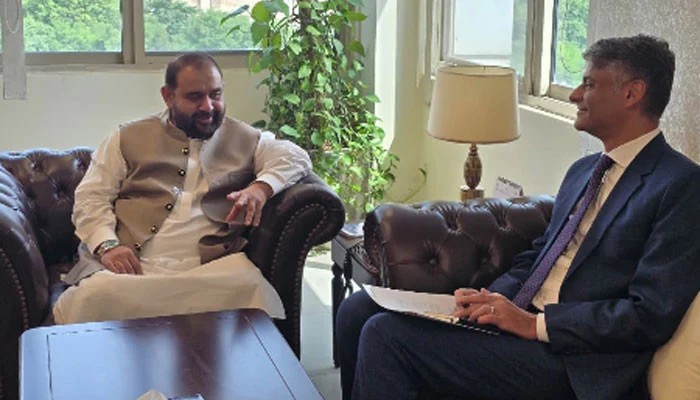
Pakistan has urged the United Nations Educational, Scientific and Cultural Organisation (Unesco) to help advance the nominations of its two major archaeological sites, including Ranighat in Khyber Pakhtunkhwa and the Port of Banbhore in Sindh, for inscription on the Unesco World Heritage List, while seeking international technical support for their preservation. The request came during a meeting between Federal Minister for National Heritage and Culture Aurangzeb Khan Khichi and Unesco Representative in Pakistan Fuad Pashayev in Islamabad on Wednesday to review Pakistan's heritage nominations, conservation efforts and cooperation.
Currently, Unesco has placed 37 Pakistani properties on its World Heritage Tentative List, including Ranighat and Banbhore. The meeting was told that a World Heritage Committee-related visit to Banbhore was scheduled for September 6-11, with Secretary National Heritage and Culture Asad Rehman Gilani also invited to join the delegation. Minister Khichi called for Unesco's special assistance in moving forward with Pakistan's heritage nominations and conservation programmes. He said several archaeological and cultural sites needed greater attention and international technical support.
Pashayev assured the minister of Unesco's all possible assistance, saying its Pakistan office will continue to prioritise heritage preservation. He reaffirmed Unesco's commitment to helping Pakistan safeguard its heritage. The minister also sought Unesco's assistance for the recognition of four Pakistani foods and culinary traditions under its Intangible Cultural Heritage framework. Pashayev asked the ministry to provide a list of the proposed traditions for examination.
Pashayev proposed research into an ancient trade and cultural route linking the Indus Valley Civilisation with areas across present-day Iran and Syria to Mesopotamia. He noted similarities in archaeological materials and artefacts across the ancient civilisations and said their historical links warranted further study. Khichi said Pakistan would consider convening a conference of historians and archaeologists to examine the proposed route and explore its significance.
Pashayev also appreciated Pakistan's efforts to pursue joint and multinational nominations for Unesco heritage recognition, including cultural traditions such as Rubab and Sitar. The meeting also reviewed Unesco workshops and capacity-building initiatives. Khichi suggested holding technical workshops in Islamabad, alongside those at archaeological sites, to enable officials and experts from the federal government and provinces to participate. He said Pakistan would invite Unesco Director-General Audrey Azoulay to attend 'Lok Mela' and other cultural events.