
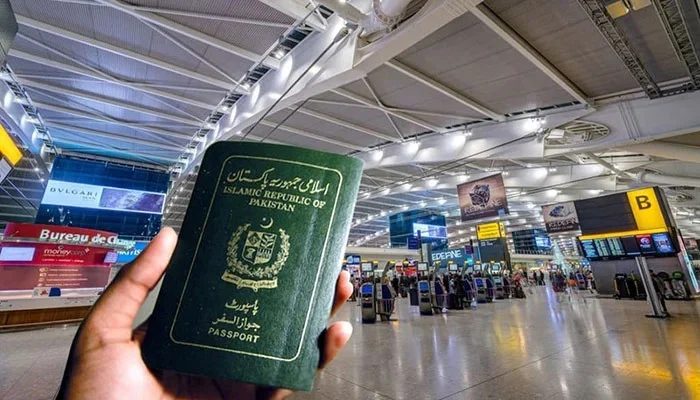
Pakistan and its diplomatic missions worldwide have officially discontinued the issuance of machine-readable passports from October 23, 2026, with only modern e-passports now being issued to citizens. According to the Directorate General of Immigration and Passports, the 22-year-old machine-readable passport system has been phased out.
However, citizens who already hold machine-readable passports can continue using them until their expiry dates. Once these passports expire, they will no longer be eligible for renewal, and holders will have to obtain e-passports instead.
All passport offices across Pakistan and Pakistani diplomatic missions abroad are now issuing only e-passports, marking the completion of the transition to the modern passport system. This major operational shift is designed to enhance international security standards and align Pakistan's travel documentation with global aviation and border control requirements.
Pakistan began issuing e-passports in March 2022, initially for diplomats and residents of Islamabad before gradually expanding the infrastructure. The rolling out process required extensive technical upgrades across dozens of domestic regional centers and overseas missions to handle biometric data collection securely.
In August 2023, all Pakistani citizens were given the option of obtaining either a machine-readable passport or an e-passport. This interim period allowed the public to adapt to the new microchip-enabled booklet technology while authorities tested system capacity under peak loads.
Before the introduction of machine-readable passports in the early 2000s, Pakistan issued handwritten passports, a practice that began with the country's independence in 1947. The shift to machine-readable documents back then was considered a revolutionary step against forgery and illegal immigration.
The newly mandated e-passports incorporate advanced security features, including a contactless integrated circuit chip containing the holder's biometric data, digital signature, and facial recognition details. These embedded features make counterfeiting exceptionally difficult for criminal syndicates.
Immigration authorities have urged citizens whose travel documents are nearing expiration to apply for the new e-booklets well in advance to avoid potential delays. Dedicated counters have been established nationwide to facilitate priority processing for students, senior citizens, and overseas workers.
The Directorate General of Immigration and Passports has also streamlined its online portal to allow citizens to track their e-passport applications in real-time. Feedback from initial deployments indicates high public satisfaction with the faster processing times at major urban hubs.
With this milestone, Pakistan joins the ranks of progressive nations utilizing biometric-backed travel documents, significantly easing immigration clearance procedures for Pakistani passport holders at international airports around the globe.