
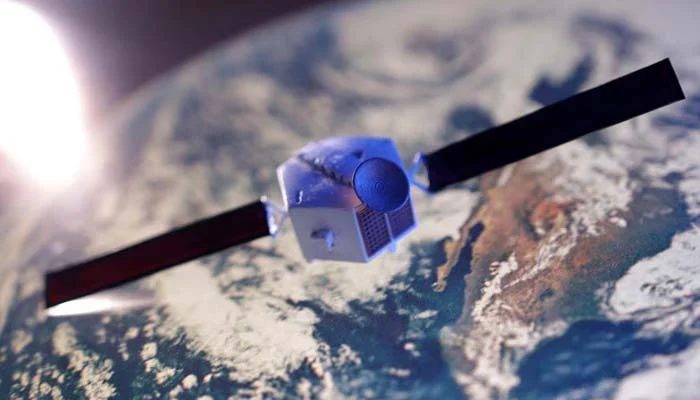
The Pakistan Space and Upper Atmosphere Research Commission (SUPARCO) is set to host the United Nations-Pakistan International Conference on Leveraging Space Technology for Early Warning for All (EW4All), Climate Action and Disaster Risk Assessment from 27th to 31st October 2026 at a local hotel in Islamabad.
Co-sponsored by the United Nations Office for Outer Space Affairs (UNOOSA) through its UN-SPIDER programme, the Asia-Pacific Space Cooperation Organization (APSCO), and the Inter-Islamic Network on Space Sciences and Technology (ISNET), the five-day international conference will bring together an estimated 200-250 participants, including 60-70 international delegates and approximately 150 national participants.
The conference aims to advance the use of space-based technologies, satellite observations and geospatial data to strengthen early warning systems, improve disaster risk assessment, and support climate action. It will provide a platform for international cooperation, knowledge exchange and technical dialogue among experts, policymakers, diplomats, educators, researchers, United Nations agencies, development organizations and representatives of the space industry.
A key focus of the conference will be the United Nations' Early Warnings for All (EW4All) initiative, which seeks to protect communities and critical infrastructure against climate-induced disaster events through effective early warning systems. Discussions will also explore the role of space technologies in disaster risk reduction, climate-resilient development, and the monitoring of water resources, agriculture, forests and environmental change.
The programme will feature high-level leadership dialogues, technical sessions, expert panel discussions and presentations on disaster risk assessment, climate intelligence, geospatial technologies and emerging tools such as GeoAI. Participants will examine practical ways to shift disaster management from reactive measures to proactive risk assessment, preparedness and early action.
Furthermore, the event will highlight the importance of regional and global partnerships in bridging the technological gap for developing nations. By fostering collaboration, the conference seeks to ensure that space-derived insights are accessible to those most vulnerable to climate change.
The outcomes of this conference are expected to influence future policy frameworks regarding disaster mitigation and sustainable development in the region. Experts believe that integrating satellite data into national planning will significantly enhance Pakistan's resilience against extreme weather events.
As the world faces increasing climate volatility, the role of space agencies becomes paramount. This gathering serves as a testament to Pakistan's commitment to leveraging scientific innovation for the greater good of humanity and environmental preservation.
The closing sessions will focus on drafting a roadmap for the implementation of space-based solutions in national disaster management strategies, ensuring that the knowledge shared translates into tangible policy actions. The event concludes on 31st October 2026, with a joint declaration expected to be signed by participating nations, reaffirming their commitment to utilizing space technology for global climate security.