
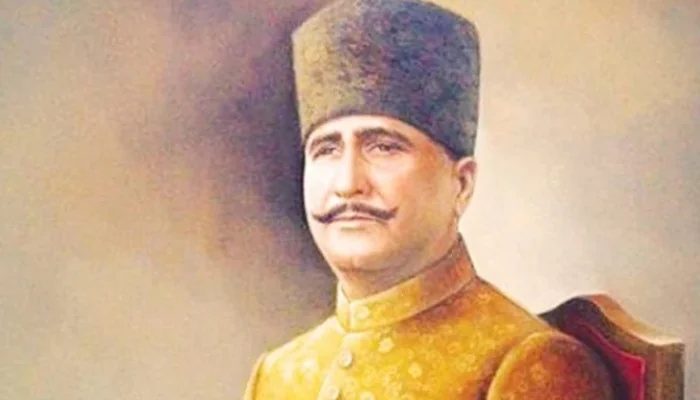
Pakistani and Japanese scholars gathered in Tokyo on Monday to discuss the philosophy and contemporary relevance of Poet of the East Allama Muhammad Iqbal, including its links with spirituality, human values, modern technology and artificial intelligence. The event, hosted by the Embassy of Pakistan, brought together researchers, academics and literary figures from Pakistan, Japan and Canada to exchange perspectives on Iqbal's life, thought and intellectual legacy.
Discussions covered a range of themes, including Iqbal's relationship with humanity and the physical world, spirituality, human values, the historical evolution of Urdu in Punjab and the philosophy of German thinker Friedrich Nietzsche. Participants also examined how Iqbal's ideas could be understood in the context of artificial intelligence and the challenges of the modern world.
The speakers included Professor Hiroji Kataoka, Professor Soyamane and Professor Ziaul Hassan of Osaka University, Professor Mamiya Kensako, Professor Amir Khan and Kenta Imagawa of Tokyo University of Foreign Studies, Professor Dr Abdul Rauf Rafiquee and Professor Khalid Sanjrani from Pakistan and Dr Taqi Abidi from Canada.
Addressing the gathering, Pakistan's Ambassador to Japan Abdul Hameed highlighted the contemporary relevance of Iqbal's ideas, particularly their value in engaging with emerging challenges and technological developments. The organisers said the event provided a platform for scholars from different backgrounds to examine Iqbal's thought through academic and cross-cultural perspectives, highlighting the continued interest in his philosophy beyond South Asia.
The gathering also underscored the role of academic and cultural exchanges in strengthening ties between Pakistan and Japan. The organisers said the two countries were preparing to mark 75 years of diplomatic relations next year, providing an opportunity to further deepen their engagement through scholarly collaboration and people-to-people contacts.
The symposium served as a significant intellectual bridge, fostering a deeper understanding of Iqbal's vision for the future. By integrating traditional philosophical inquiry with modern technological discourse, the participants aimed to demonstrate that Iqbal's message remains a guiding light for humanity in the 21st century.
Furthermore, the event highlighted the importance of cross-border academic cooperation. Scholars emphasized that such dialogues are essential for addressing global challenges, as they allow for a synthesis of Eastern wisdom and Western scientific advancement, a core theme in Iqbal's own intellectual journey.
The Embassy of Pakistan expressed its commitment to hosting more such events in the future to promote cultural diplomacy. This initiative is part of a broader strategy to enhance Pakistan's soft power and intellectual footprint in East Asia, particularly in Japan, a nation that values deep philosophical and historical inquiry.
As the session concluded, attendees expressed their appreciation for the depth of the research presented. The consensus among the participants was that Iqbal's work is not merely a relic of the past but a dynamic framework that continues to evolve with the needs of the contemporary era.
Looking ahead, the upcoming 75th anniversary of diplomatic relations between Pakistan and Japan is expected to feature a series of cultural and academic programs. These events will aim to build upon the foundation laid by this symposium, ensuring that the intellectual bond between the two nations continues to flourish for years to come.