
WASHINGTON/TEHRAN: Iranian President Masoud Pezeshkian has announced that Supreme Leader Ayatollah Ali Khamenei has granted the government full authority to pursue diplomatic talks and manage international negotiations regarding the country's nuclear program and regional stability, according to state media reports. Speaking to senior officials in Tehran, President Pezeshkian emphasized that the diplomatic path remains a primary objective for the administration, provided that Western powers demonstrate genuine willingness to respect national sovereignty and lift crippling economic sanctions.
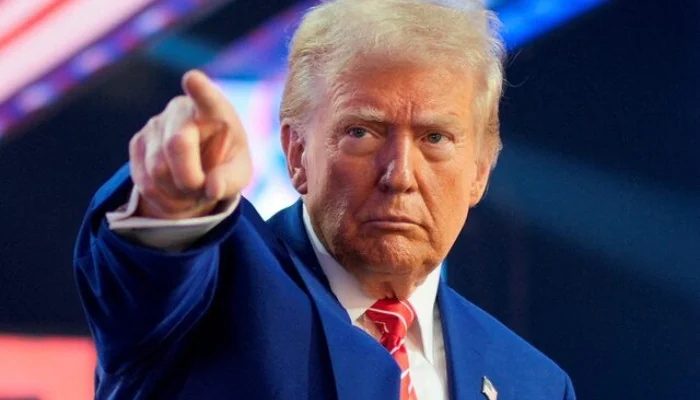
Meanwhile, US President Donald Trump is deciding whether a resumption of strikes in Iran will finally deliver the victory he has already claimed, even as he confronts two questions closer to home: who gets the blame for a war his advisers assured him would end well before the midterms, and whether he can trust those same advisers when they say the new plan will succeed where previous plans failed, a US media outlet reported.
For weeks, Trump has been contemplating a renewal of hostilities aimed at forcing Iran to negotiate, and advisers said a new round of attacks could come soon after today's (Tuesday) midterms. Trump has also been questioning allies about the job performances of Defence Secretary Pete Hegseth and General Dan Caine, chairman of the Joint Chiefs of Staff, two outside advisers close to Trump said.
The simultaneous developments on the diplomatic and military fronts highlight the fragile nature of current geopolitical engagements in the Middle East. Analysts suggest that while Tehran is signaling a readiness to explore political avenues through President Pezeshkian's remarks, Washington continues to weigh the strategic efficacy of military coercion.
The Iranian administration faces considerable domestic pressure from hardline factions who remain skeptical of Western intentions. However, the explicit backing from the Supreme Leader provides President Pezeshkian with the necessary political capital to engage international interlocutors without immediate fear of internal obstruction.
Diplomatic channels involving regional mediators have reportedly intensified over the past forty-eight hours, with European capitals expressing cautious optimism that renewed dialogue could avert a broader regional escalation. Officials from Oman and Qatar have been actively shuttling messages between Washington and Tehran.
In Washington, congressional leaders from both parties have demanded clearer briefings from the White House regarding the long-term strategic objectives of any potential military campaign. Lawmakers expressed deep concern over the absence of a defined exit strategy and the potential economic fallout from prolonged hostilities in the Persian Gulf.
As the international community watches closely, the coming days will likely determine whether the newly granted negotiating authority in Tehran can effectively intersect with Washington's shifting political calculus. Both capitals face narrowing windows of opportunity to secure a sustainable diplomatic breakthrough before domestic political pressures dictate alternative courses of action.
Ultimately, the success of these nascent diplomatic efforts will depend on mutual restraint and the ability of negotiators to bridge fundamental gaps regarding security guarantees, enrichment limits, and the phased relief of economic sanctions.