
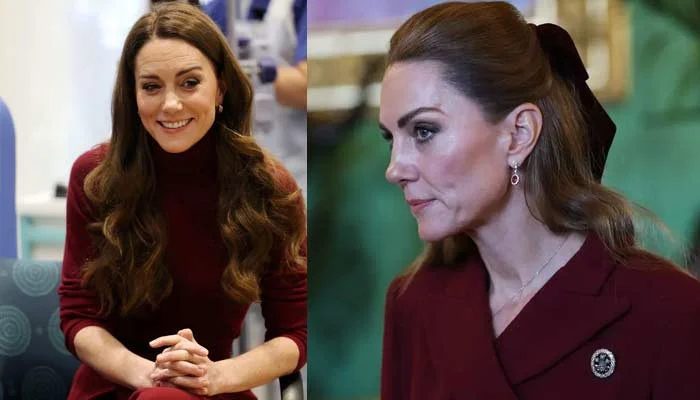
In an inspiring display of strength and grace, Catherine, Princess of Wales, has emerged as the monarchy's most trusted pillar, managing its key affairs with tireless devotion. Behind closed doors at the Palace, the Princess's quiet resilience has blossomed into a profoundly affectionate presence, becoming King Charles's greatest source of comfort and pride as she prepares for her destiny as Queen.
Royal author Robert Jobson describes the princess as an "instinctive peace-maker" who has "smoothed the way for Prince William and his father to have a better relationship than they had in the past." The insider described her as "somebody who always tries to see both sides of any dispute," adding that the "emotionally mature" princess provides a "stabilising influence."
Her bond with King Charles is also notable, as she reportedly calls her father-in-law "Grandpa" while he affectionately addresses her as his "darling daughter-in-law." Jobson, 62, revealed these private nicknames in his biography, "Catherine, the Princess of Wales," noting that the monarch regularly greets her with a kiss and enjoys exchanging jokes with her during family gatherings.
The warmth between the pair reflects Charles's considerable admiration for the Princess and the important role she has assumed within the royal household. A Palace courtier, quoted in the biography, said: "I think Charles understands Catherine is a good influence on the entire family.
He loves and truly appreciates everything she does." As the monarchy navigates modern challenges, the Princess of Wales remains a central figure in maintaining public trust. Her ability to balance traditional royal duties with a relatable, human touch has solidified her position as a future Queen who is both respected and deeply admired by the British public.
Observers note that her influence extends beyond internal family dynamics. By representing the Crown at various international engagements, she has become a global ambassador for the United Kingdom, projecting an image of stability and continuity that is vital for the institution's longevity.
The transition toward her future role is marked by a deliberate and steady increase in her responsibilities. Whether through her charitable work or her presence at state functions, Catherine continues to demonstrate the poise required for the highest office in the land.
King Charles, who has faced his own health challenges recently, has reportedly leaned on the Princess for support. This mutual reliance has strengthened the core of the royal family, ensuring that the institution remains resilient during periods of transition.
Ultimately, the narrative surrounding the Princess is one of growth and preparation. As she steps into the spotlight with increasing frequency, the world watches a leader who is not only ready for the throne but is actively shaping the future of the monarchy.
The dedication she shows to her family and her public duties serves as a testament to her character. For the British monarchy, Catherine represents a bridge between the past and the future, ensuring that the institution remains relevant in an ever-changing world.