
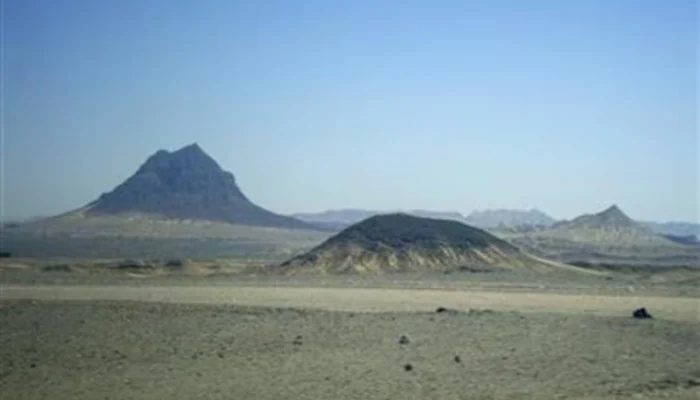
The Institute of Cost and Management Accountants of Pakistan reported in Karachi that rising capital costs and production delays at the Reko Diq mining project threaten the potential economic returns for the country's state-owned enterprises.
- Project capital costs increased by 30 percent from billion to .1 billion.
- Three federal state-owned enterprises committed a collective investment of .88 billion.
- Initial production targets shifted from the end of 2028 to 2030.
Reko Diq financial exposure
The ICMA research analysis, titled Creating New Economic Value: The Strategic Significance of Reko Diq for Pakistan's SOEs, examined the financial structure and investment risks of the mining venture. Three federal state-owned enterprises, specifically OGDCL, PPL, and GHPL, hold a significant stake in the project. The report noted that the 30 percent jump in capital costs requires stricter investment accountability and transparent oversight to protect public funds. These entities face increased financial exposure as they manage their $1.88 billion commitment against the backdrop of escalating project expenses.
Economic benefits and industrial development
While the project promises approximately $74 billion in free cash flow over a 37-year mine life, the report cautioned that these figures do not represent direct national revenue. The actual economic gain for Pakistan depends on dividends, taxes, royalties, and reinvestment strategies. The project expects to create 7,500 jobs during peak construction and 4,000 permanent positions once operational. However, the ICMA pointed out that the current design excludes smelting and refining, which limits domestic value addition. The report urged the government to develop local supply chains and increase the participation of Pakistani firms in engineering, transportation, and maintenance to ensure the mining wealth supports broader industrial growth.
Project timeline and investment risks
Delays in the production schedule pose a major challenge for the participating state-owned enterprises. The shift in the initial production target from 2028 to 2030 increases the opportunity cost of the committed capital and delays the arrival of dividend income. The ICMA emphasized that these delays necessitate realistic investment assessments and consistent project monitoring. To maximize the strategic value of Reko Diq, the report recommended that stakeholders focus on strengthening technical skills and exploring domestic processing opportunities where energy and infrastructure conditions allow. Transparent disclosure remains a priority to ensure the project delivers measurable benefits to the national economy rather than just project-level cash flows.