
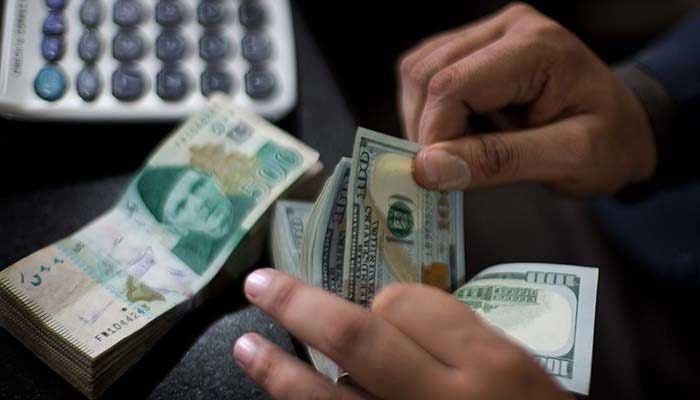
The rupee is likely to remain stable in the near term as a thaw in Iran-US tensions fuels optimism over lower fuel costs, according to a report published on Saturday, which nonetheless urged caution on forward export sales beyond a three-month horizon. The rupee remained traded in narrow ranges this week. On Monday, it closed at 277.22 against the dollar.
The local currency unit ended at 277.16 on Friday. "The rupee's near-term outlook remains heavily influenced by fuel costs and therefore developments in the Iran-US war," said Tresmark in a report. "With some thaw witnessed last week, there is renewed optimism that fuel costs could continue to decline," it said.
"This would strengthen the stable rupee trade, although we would be slightly more cautious selling exports beyond the 3-month tenor," it added. According to the report, forward premiums got jolted last week as the State Bank of Pakistan did not roll over its maturing swaps, pushing shorter tenors into negative territory. Banks, however, are still offering healthy spreads over prevailing forward rates to lock in future inflows.
"Our favoured trade remains to sell exports forward within 3 months, while becoming more cautious beyond that. In the 3-6 month tenors, exporters may selectively hedge on a case-by-case basis," it said. Pakistan's external position has improved sharply during the past three to four years.
State Bank of Pakistan (SBP) Governor Jameel Ahmad said on Friday the external current account deficit, which had reached unsustainable levels in FY22 - causing a rapid depletion of foreign exchange reserves - has now been brought to manageable levels, supporting a sustained buildup in FX buffers. The State Bank of Pakistan (SBP)'s foreign exchange reserves, which had fallen below $3 billion in February 2023, now stand at $21.4 billion, with the buildup driven mainly by market purchases rather than accumulation of external debt, according to Ahmad.
The State Bank of Pakistan (SBP) reserves now cover more than three months of imports.