
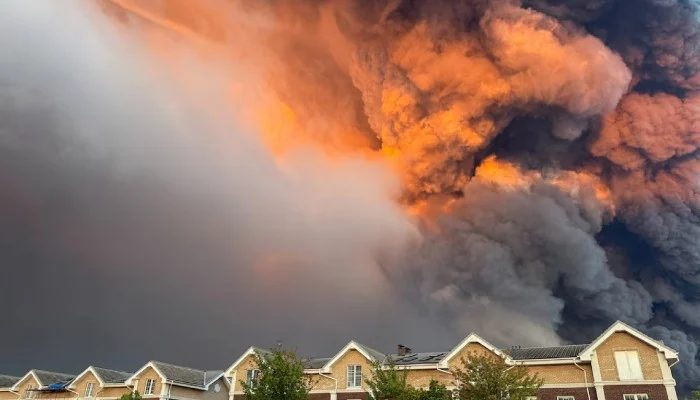
Russia said on Saturday it had carried out a large-scale overnight attack on Ukrainian infrastructure targets, including the country's largest steelworks in the city of Kryvyi Rih and vessels using the Ukrainian port of Odesa. The plant is owned by steel giant ArcelorMittal, which suspended operations there in September after a series of Russian ballistic missile strikes.
The company did not immediately respond to a request for comment. In a statement, Russia's defence ministry said the plant supplied steel products to the Ukrainian military-industrial complex.
It added that Russian forces had also hit an electricity substation in the northwestern city of Zhytomyr and another steel plant in Zaporizhzhia, a city near the front line. A cargo vessel in the Black Sea was also struck, the ministry said, alleging that it was delivering military cargo to Odesa.
Later in the day, the ministry stated that Russian strikes during the afternoon had hit a vehicle-repair plant in Lutsk, an electricity substation in the western Ternopil region, and another cargo vessel south of Odesa, which it claimed was carrying military and dual-use cargo.
The escalation marks a significant intensification in the ongoing conflict, with Russia focusing heavily on degrading Ukraine's industrial capacity and energy grid as winter approaches. Military analysts suggest these strikes are intended to cripple the logistics chain supporting Ukrainian front-line operations.
Ukrainian officials have yet to provide a full assessment of the damage, though local reports indicate widespread power outages in the affected regions. Emergency services are currently working to restore electricity to critical infrastructure, including hospitals and water treatment facilities.
International observers remain concerned about the impact of these strikes on global food security, given that the Black Sea remains a vital corridor for grain exports. The targeting of cargo vessels has raised alarms regarding the safety of maritime trade routes in the region.
The Kremlin maintains that its "special military operation" is aimed at neutralizing threats to its national security, while Kyiv and its Western allies condemn the attacks as deliberate attempts to terrorize the civilian population and destroy the nation's economic backbone. As the conflict enters a new phase, the focus remains on the resilience of Ukraine's energy infrastructure.
With temperatures dropping, the ability of the state to maintain power supply for its citizens has become a central point of contention in the war. Diplomatic efforts to de-escalate the situation have so far yielded little progress, as both sides remain entrenched in their positions.
The international community continues to monitor the situation closely, with further sanctions against Russia being discussed by various global powers. The situation on the ground remains fluid, with both sides reporting ongoing skirmishes along the front lines.
The coming weeks are expected to be critical in determining the trajectory of the conflict as both nations prepare for potential winter offensives.