
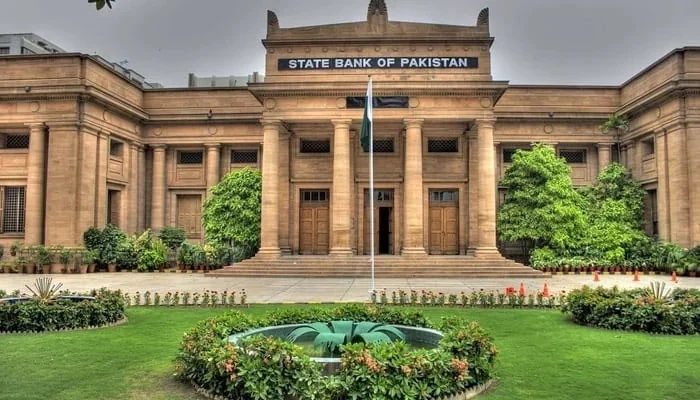
The State Bank of Pakistan maintained its economic growth forecast at 3.5 to 4.5 per cent in Karachi on Monday.
- The State Bank of Pakistan maintained its FY27 economic growth forecast at 3.5 to 4.5 per cent in its annual report.
- The central bank projected average consumer price inflation of 5.5 to 7.5 per cent for the current fiscal year.
- Officials flagged risks including the Middle East conflict, higher energy prices, and weaker remittances from Gulf economies.
Economic Growth and Outlook
The State Bank of Pakistan released its annual report for the 2026 fiscal year and kept the growth projection steady. The central bank previously gave the same 3.5 to 4.5 per cent range in its July, September and October monetary policy statements. The economy entered the 2027 fiscal year on firmer footing than during the 2022 Russia Ukraine shock. Continued engagement with the International Monetary Fund, stronger fiscal and external buffers, and recent sovereign credit rating upgrades supported this stability. Economic momentum should continue due to the lagged impact of earlier monetary easing, domestic demand recovery, and fiscal support measures for industrial activities. The International Monetary Fund projected last month that Pakistan would grow 3.5 per cent in the 2027 fiscal year, while the World Bank forecast 3.8 per cent growth. The economy grew 3.6 per cent in the 2026 fiscal year.
The report warned that a protracted Middle East conflict and higher energy prices threaten the macroeconomic outlook. Supply chain disruptions and rising input costs from the conflict may weigh on domestic economic activity. Economic conditions within the Gulf Cooperation Council region could impact remittance inflows, while regional tensions risk dampening global growth prospects and suppressing external export demand. Other risks include El Nino related crop damage and the impact of the India European Union free trade agreement on Pakistani exports.
Inflation and Price Pressures
Inflation is expected to stay above the central bank medium term target range of 5 to 7 per cent as energy price shocks feed through to prices. Average consumer price inflation was projected at 5.5 to 7.5 per cent in the current fiscal year, compared to 7.1 per cent in the 2026 fiscal year. Consumer price index inflation eased to 9.6 per cent year on year in October from 10.3 per cent in September, 11.1 per cent in August, and 9.2 per cent in July. The government moved petroleum price reviews from fortnightly to weekly in March and introduced daily adjustments in July to manage volatile global commodity prices. The government also allowed wheat imports to ease food supply constraints. Rising input costs may make core inflation stickier, but a prudent monetary policy stance should keep inflation expectations anchored.
Reserves and Fiscal Deficit
A Eurobond issuance of 3 billion dollars in September, dollar purchases, and expected official inflows should lift reserves toward four months of import cover. The current account deficit is forecast to remain between 0 and 1 per cent of gross domestic product in the 2027 fiscal year. Economic expansion, tariff rationalisation measures, and higher global prices will drive increased imports, while policy incentives and higher global demand will support moderate export recovery. Remittances are expected to continue their momentum. The State Bank of Pakistan projected the fiscal deficit at 3 to 4 per cent of gross domestic product this fiscal year. Fiscal consolidation and power sector reforms should keep government spending moderate, while tax enforcement and broadening the tax net will support revenue collection.