
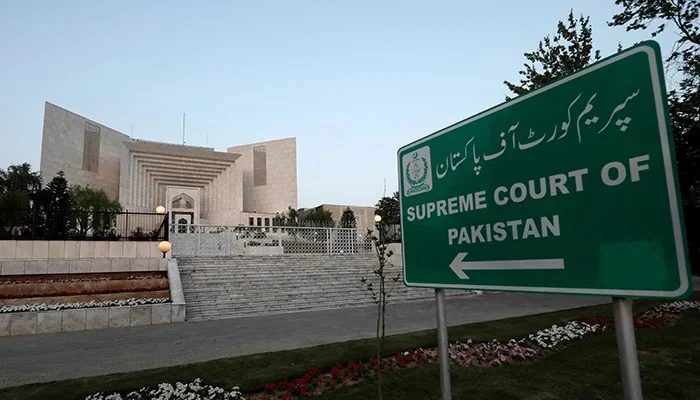
The Supreme Court of Pakistan reduced its pending caseload by 47 percent between November 2024 and September 2026 through a comprehensive judicial and institutional reform program.
- Pending cases dropped from 60,304 to 31,927.
- The court implemented 64 of 86 planned reforms.
- E-filing systems processed over 45,000 new cases.
The Supreme Court released a detailed report outlining the progress of an 86-point action plan initiated in November 2024. By September 2026, the court completed 64 of these initiatives, while work continued on 11 others. The report identified the remaining 11 initiatives as requiring special attention to ensure full implementation. This administrative overhaul contributed to a significant decline in the total number of pending cases, which fell from 60,304 to 31,927. Additionally, following a constitutional amendment, the court transferred 22,213 cases to the Federal Constitutional Court.
Efficiency metrics showed a marked improvement during this period. Between November 2024 and September 2026, the Supreme Court disposed of 6,998 more cases than it received in new filings. In the 2024-25 period, the court disposed of 25,989 cases, compared to 16,620 in the previous year. This shift represented an approximately 56 percent increase in the annual case disposal rate.
The court prioritized the resolution of older litigation across several categories. Hearings for death penalty appeals progressed from cases pending since 2015 to those filed in 2026. Similarly, the court accelerated post-arrest bail hearings, moving from a backlog dating back to 2009 to current 2026 filings. Family law cases saw a comparable advancement, with hearings moving from 2010 filings to the 2026 docket.
Technological integration served as a cornerstone of the reform strategy. The Supreme Court Rules 2025 established the legal framework necessary for e-filing, the maintenance of digital records, and the conduct of virtual hearings. Litigants utilized the new e-filing system to submit 45,131 cases. Furthermore, the court digitised over 264,000 judicial decisions and issued 34,883 certified copies through the modernized system.
To improve public access to the judiciary, the court established a Public Facilitation Centre on its premises. This facility provides litigants with direct access to judicial information and procedural guidance. These combined efforts in digitisation, rule-making, and administrative restructuring aimed to modernize the court's operations and improve the overall speed of justice delivery for the public.