
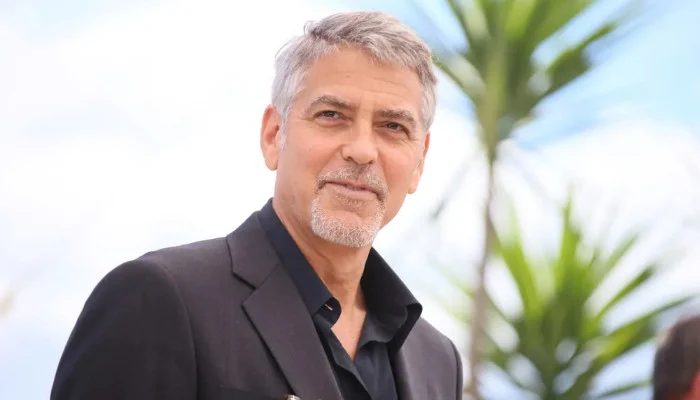
George Clooney has been accused of hypocrisy in a defamation case against a human rights group he co-founded. Libyan steel magnate Ahmed Gadalla is suing The Sentry, which published a 25-page report accusing him of money laundering, gun running and funding Russian mercenaries.
Gadalla, who also chairs a state-owned steel company, says in court documents that the report's "entire narrative was false". He also says The Sentry "does not meet even the standard of a tabloid", because it failed to check its facts and refused to print his response.
The point about hypocrisy is aimed at Clooney. He and Don Cheadle make up The Sentry's two-man advisory board, and Clooney has criticised British tabloids for "irresponsible" and "dangerous" journalism when they wrote about his family.
He has also accused the media in general of failing to check facts. In 2014, he said the Daily Mail printed a "completely fabricated" story about his then fiancée's mother.
Clooney has reportedly donated $1 million to The Sentry through his Clooney Foundation for Justice. The Sentry, co-founded by Clooney and John Prendergast, published its investigation into Gadalla in April.
It described him as the "money man" for Libya's Haftar family, and said he controls banks, helped arrange arms smuggling in violation of a UN embargo, and used $300 million in loans to help finance a failed attack on Tripoli in 2019 and 2020. It called for sanctions against him.
Gadalla, also known as Ahmed Alushibe, has said he utterly rejects the accusations and that his lawyers are challenging them. None of The Sentry's allegations have been tested in court.
Clooney has not publicly responded to the hypocrisy claim. The ongoing legal battle highlights the complex relationship between high-profile activists, independent investigative organisations, and the subjects of their rigorous reports.
Observers note that the outcome of this defamation lawsuit could set a significant precedent regarding how non-profit advocacy groups and their high-profile founders are held accountable for published investigative findings. Legal experts suggest that proving defamation in such international cases will require extensive cross-border cooperation and rigorous scrutiny of the evidence presented by both the Libyan magnate and the human rights investigators.