
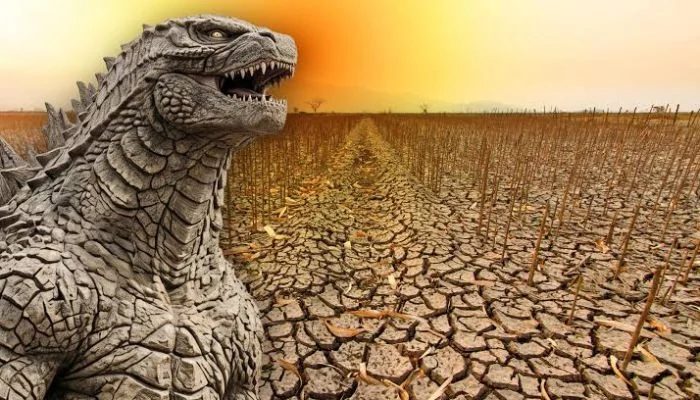
A new scientific forecast predicts that around 373,000 additional heat-related deaths will occur globally over the next six months, with nations in Africa and Asia likely to be hardest hit by the powerful weather phenomenon known as "Super El Nino." Climate scientists at the University of Chicago's Climate Impact Lab have mapped areas most vulnerable to temperature spikes between October 2026 and March 2027.
Researchers estimate that Nigeria may face 56,000 additional heat-related deaths, while India could see 55,000. Indonesia is also at high risk with an estimated 29,000 deaths, and Brazil is expected to see 19,000.
These forecasts emerge as the phenomenon intensifies in the Pacific Ocean, with experts warning it could be one of the most powerful El Nino events on record. El Nino is a natural weather pattern characterized by abnormally warm sea temperatures in the central and eastern Pacific, which disrupts global precipitation and temperature patterns.
Occurring every 2-7 years, it often triggers droughts, floods, and extreme heat. The US National Oceanic and Atmospheric Administration (NOAA) estimates an 83% probability that the event will reach historic strength between October and December.
Meanwhile, the World Meteorological Organization (WMO) has confirmed the potential for the event to peak by late 2026, driving global temperatures higher. Researchers noted that the death toll could be mitigated through early warning systems, cooling centres, improved healthcare, and restrictions on outdoor labor.
These figures remain statistical estimates, with the final outcome dependent on weather severity and government intervention. Global health organizations are urging nations to prepare infrastructure to handle the projected surge in heat-related illnesses.
As the climate crisis continues to evolve, the intersection of natural phenomena like El Nino and rising baseline temperatures presents a significant challenge to public health systems worldwide. The data suggests that vulnerable populations, particularly those in densely populated urban centers with limited access to air conditioning, will bear the brunt of the heatwaves.
Governments are being advised to prioritize the protection of outdoor workers and the elderly during peak temperature months. Furthermore, the economic impact of such a widespread weather event could be catastrophic, affecting agriculture and water supplies in the most affected regions.
The scientific community emphasizes that while the numbers are alarming, they serve as a critical call to action for policymakers to implement adaptive strategies immediately. As the world watches the Pacific Ocean, the focus remains on monitoring sea surface temperatures and atmospheric pressure changes.
The accuracy of these models will be tested in the coming months as the world prepares for what could be a record-breaking period of heat. Ultimately, the goal of these scientific warnings is to provide a roadmap for disaster risk reduction.
By identifying high-risk zones early, international aid agencies can better allocate resources to prevent the worst-case scenarios from becoming reality. The coming months will be a test of global resilience against the backdrop of an increasingly unpredictable climate.
Scientists continue to refine their models to provide the most accurate data possible to governments and international bodies.