
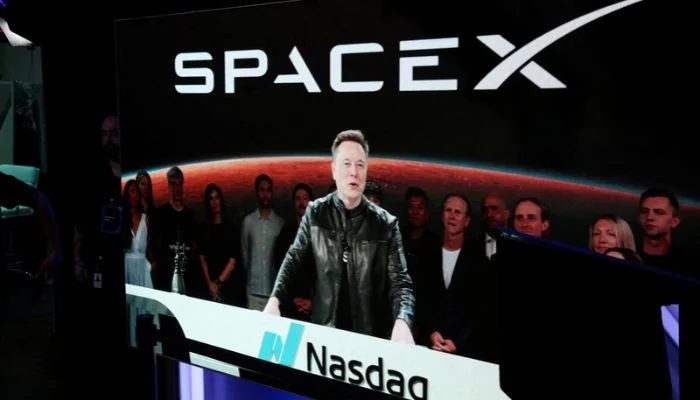
Tesla and SpaceX have each formed special committees to assess a potential all-stock merger. This structure would combine the two Elon Musk-led companies without either side paying cash.
In an all-stock acquisition, the acquiring company takes over the target through the issuance of new stock to the target company's owners as opposed to through the payment of cash. The owners of the acquired company get a fixed amount of stock from the acquiring firm according to a predetermined exchange rate.
What follows is the creation of a merged firm with an increased number of shares but, most importantly, reduced ownership stakes in the firm compared to what the existing stockholders held. This is the primary concern of Tesla shareholders.
In the case of Tesla and SpaceX, the company's cars, storage, software, rockets, satellite connectivity, and AI chips would all be incorporated into a merged entity with more focus on services and infrastructural components built upon the product offerings than just on the sales of cars and battery technology.
In addition, the SpaceX component adds optionality in the areas of AI, chips, and connectivity on top of the already capital-intensive route of robotaxis, Optimus, and energy infrastructure. The clearest early sign will be the special committee and board decisions.
A joint announcement of a deal structure that includes a valuation, an exchange ratio, and separate votes for Tesla outside shareholders would show that the negotiation process had progressed to a stage where there was enough transaction to be evaluated for dilution and integration risks.
Analysts remain split over the deal. While some focus on dilution of shareholders' interests, others emphasize the possibilities of employing rocket, chip, and communication technology between the companies.
This is happening right at the same time when the next-generation Tesla Roadster launch was scheduled. As of the start of Thursday trading, SpaceX stock was about 3.5% higher from its 135 dollar IPO level, although Barron's says weak SpaceX stock makes life difficult for Musk's merger math.
Tesla was 0.90% lower, while SpaceX declined by 0.64%. The market is closely watching how these committees navigate the complex regulatory and financial landscape.
If successful, this merger could redefine the tech landscape by integrating space-grade connectivity with consumer automotive technology. However, the path to such a massive consolidation is fraught with hurdles, including potential antitrust scrutiny and the need for shareholder approval from both sides.
Ultimately, the success of this potential merger hinges on whether the synergies between space exploration and electric vehicle manufacturing can justify the dilution of current equity. Investors are waiting for more concrete details regarding the valuation of SpaceX, which remains a private entity, compared to the publicly traded Tesla.
The coming weeks are expected to be critical as more information regarding the board's deliberations becomes public.