
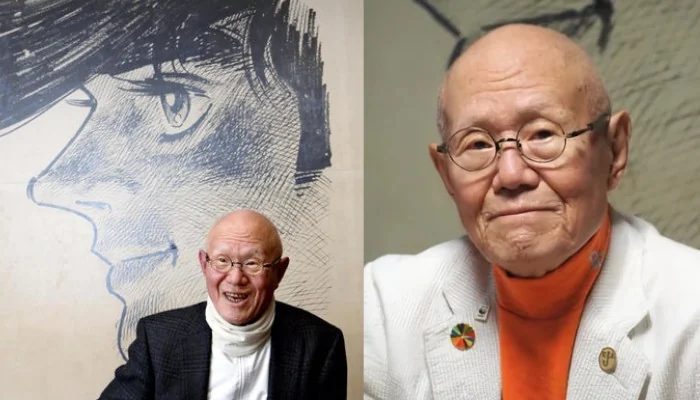
Renowned Japanese manga artist Tetsuya Chiba, widely recognised for the Ashita no Joe series, died of a rare bone marrow disorder in Tokyo. Chiba, who was honoured with Japan's highest civil award, the Order of Culture, passed away from myelodysplastic syndrome at a Tokyo hospital on Thursday, October 22, 2026, according to the Japan Times.
Chiba was born in Tokyo in 1939. As an infant, he was moved by his family to the Korean Peninsula and then to Japanese-controlled Manchuria in present-day northeastern China when he was two years old.
While living in Manchuria, he experienced firsthand the accounts of World War II and survived the violence that followed. He headed back to Japan in 1946.
He developed an interest in manga around that time and joined a manga publication before making his debut as a professional manga artist at the age of 17. As a teenager, Chiba won a children's manga award from publisher Kodansha Ltd. in 1962, a testament to the craftsmanship that would define his glorious career ahead.
He went on to release hits including Shiden-Kai no Taka, which highlights the struggles of a wartime pilot, as well as the sports manga Harris no Kaze, which was adapted into a blockbuster television anime series. Chiba also produced other popular titles, including Notari Matsutaro, depicting the story of the professional sumo world; Ashita Tenki ni Naare, a golf manga series; and Ore wa Teppei, centred on the theme of the Japanese martial art Kendo.
His works deeply influenced generations of readers and artists alike, establishing manga as a serious literary and artistic medium globally. Tributes poured in from international creators, publishers, and fans across the world who remembered his immense contribution to global pop culture and artistic expression.
The Japanese government and cultural institutions also expressed profound grief over his passing, acknowledging his monumental role in shaping the modern manga industry. Funeral arrangements are expected to be held privately by his family, followed by a public memorial service organised by his associates in Tokyo.