
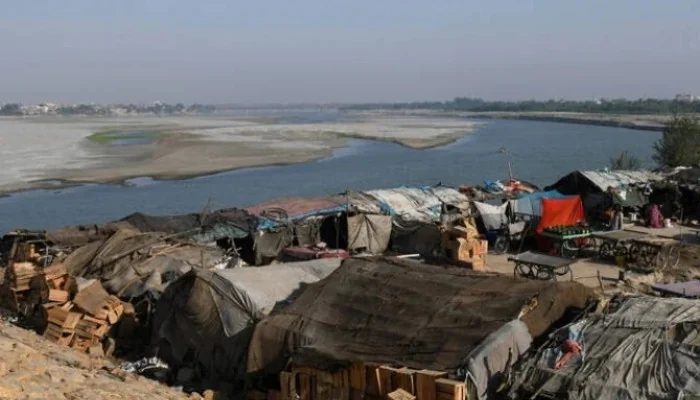
The World Bank reported on November 14, 2026, that Pakistan's national poverty rate rose from 22 percent to 29 percent between 2018-19 and 2024-25, marking the sharpest reversal since the 1990s.
- Around 72.6 million Pakistanis now live below the national poverty line.
- Real wages fell by approximately 3.4 percent annually over the six-year period.
- The tax-to-GDP ratio remained stuck between 9 and 12 percent for three decades.
Economic instability crisis
Some 25 million more Pakistanis live below the poverty line compared to six years earlier. More than half of this poverty increase came from worsening consumption distribution. The finance ministry disputed the World Bank's decision to group Pakistan with the Middle East and North Africa, but that argument avoids addressing why the domestic poverty rate rose. The increase cannot be blamed on Covid-19 and the 2022 floods alone because India faced the same pandemic and climate shocks while continuing to reduce extreme poverty. Every government since the early 1990s followed the same script of pushing growth through consumption, imports, and cheap credit until reserves drained and the rupee faced pressure.
The government then turned to the IMF, raised interest rates, devalued the currency, and cut development spending. Elected governments in the 1990s alternated in power and abandoned each IMF programme midway, pushing official poverty from about 26 percent in 1990-91 to 34 percent by 2001-02. The post-9/11 boom delivered 7 percent growth but ended in the 2008 crisis. The 2013-18 expansion driven by CPEC-related imports ended in the 2019 Extended Fund Facility. The post-Covid stimulus of 2021-22 took growth above 6 percent before the 2022-23 crisis hit, when inflation peaked at about 38 percent and the country neared default. Poverty fell between 2001 and 2018 from 64 percent to 22 percent, but those gains rested on remittances, urban migration, and transfers rather than productive jobs.
Elite capture and taxation
The root cause lies in a narrow tax base where retail, real estate, and agricultural income remain lightly taxed while salaried workers and formal manufacturing carry the load. A state that refuses to tax its wealthy borrows instead, and debt servicing now absorbs most of federal net revenue. Elite capture of energy and trade policy produced power purchase agreements with guaranteed dollar-indexed returns and capacity payments, creating circular debt and high industrial tariffs. Governments repeatedly defended an overvalued rupee for political reasons until forex reserves completely ran out, and subsequent devaluations fed inflation that hit the poor hardest. Population grew at 2.55 percent annually between the 2017 and 2023 censuses. Around 40 percent of children are stunted, 75 percent cannot read a simple story by primary school end, and fewer than one in four women participate in the labour force. An economy growing at 3 to 4 percent cannot absorb the two million young people entering the labour market each year.