
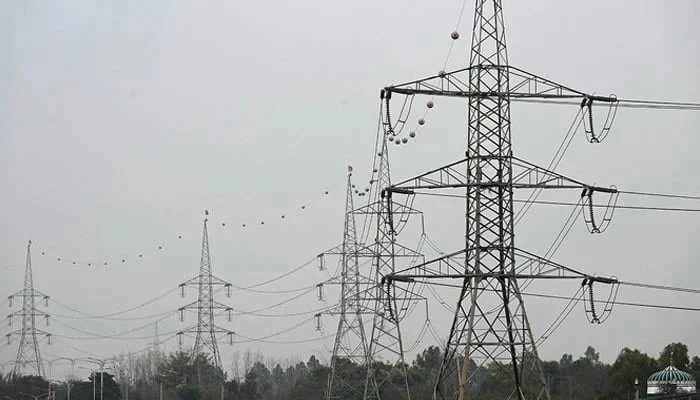
Although the Water and Power Development Authority (WAPDA) has confirmed that the main Tarbela Dam structure remains intact and safe following the rock collapse incident that breached a protective embankment at the under-construction Tarbela Extension Hydropower Project, the nationwide electricity shortfall in Pakistan crossed the 4000 MW mark Wednesday, raising suspicions that all was not well.
Power generation at Tarbela consequently dropped to 656 MW as two generating units have been forced out of operation due to the aforementioned November 9 incident. The hydel generation drop coincided with lower output from gas and diesel-based plants along with reduced water storage levels in major reservoirs.
Tarbela is the world's largest earth-filled dam, built by compacting natural material such as soil, clay, sand, and gravel, instead of reliance on concrete or steel for strength. It is 143 metres (470 feet) high above the riverbed and its reservoir (Tarbela Lake) has a surface area of approximately 250 square kilometres (97 square miles), according to WAPDA, the South Africa-based World Commission on Dams, and the Washington DC-based National Aeronautics and Space Administration (NASA).
Energy experts point out that seasonal fluctuations in water inflows often complicate power management across the Indus basin system. Mangla Dam, another critical pillar of Pakistan's water and power infrastructure, faces similar capacity constraints during lean hydrological periods, exacerbating grid instability.
The current shortfall places immense pressure on thermal power producers, which rely heavily on imported fuels. These fuels expose Pakistan's balance of payments to severe global price shocks, making domestic hydel sources indispensable for long-term economic viability.
Furthermore, agricultural sectors in Punjab and Sindh depend heavily on consistent water releases from these reservoirs. Any disruption in power generation schedules often signals broader operational adjustments meant to preserve irrigation supplies for upcoming sowing seasons.
WAPDA officials maintain that repair works on the damaged embankment at Tarbela are progressing around the clock. Engineers are utilizing specialized heavy machinery to stabilize the slopes and prevent any further soil erosion near the powerhouse.
Federal Minister for Energy has summoned an emergency meeting of power distribution companies (DISCOs) to review load management strategies. Citizens across major urban centers have already begun experiencing unannounced power outages lasting several hours.
Independent economists argue that structural reforms in the power sector must go beyond routine dam maintenance. Transmission losses, circular debt, and delayed tariff adjustments continue to plague the entire energy value chain.
As winter approaches, heating demand is projected to rise, potentially tightening natural gas supplies further. Government authorities must accelerate completion of ongoing hydropower projects to diversify the energy mix and stabilize consumer tariffs sustainably.