
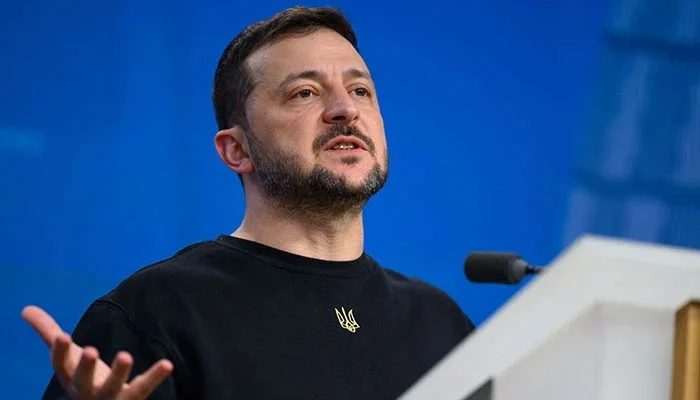
KYIV: Ukrainian President Volodymyr Zelensky has accused US President Donald Trump of pressuring Kyiv to surrender to Russia, escalating a week-long dispute between the two leaders on the international stage. Reports indicate that Zelensky also proposed a strategic deal under which Ukraine would stop targeting Russian oil refineries in exchange for additional Patriot air-defence missiles from the United States to secure its skies.
The diplomatic proposal comes amid growing global concerns over high diesel prices and energy market instability, which have prompted persistent calls from international partners to halt attacks on Russian fuel infrastructure. Speaking on the current geopolitical situation, President Zelensky noted that the upcoming political developments in the United States are creating a complex and challenging environment for the wartorn nation.
"Now, we have dangerous days ahead of the elections," Zelensky said, explicitly referring to the shifting US political landscape and its potential direct consequences on military assistance packages for Kyiv. The Ukrainian leader detailed that his administration's latest diplomatic initiative involves halting strikes on Russian diesel facilities in return for essential interceptor missiles for Patriot systems.
Military analysts point out that securing advanced air defence systems remains an absolute priority for Kyiv as Russian aerial bombardment continues to batter civilian areas and power grids. However, President Zelensky suggested that Washington's primary interest appears to be exclusively focused on stopping the attacks on energy facilities to stabilize global markets rather than providing comprehensive security guarantees.
He warned that Ukraine could potentially lose other vital forms of military and financial support if it agreed unilaterally to the demands made by the current US administration without receiving reciprocal security assurances. The growing friction underscores the delicate balancing act Ukraine must maintain as it relies heavily on Western military aid while navigating domestic political shifts in donor countries.
European capitals are closely monitoring the developments, fearing that any abrupt halt in US assistance could significantly alter the battlefield dynamics in favour of Moscow. Meanwhile, officials in Washington have yet to issue a detailed formal response regarding the specifics of the alleged trade-off involving Patriot missiles and Russian oil refinery strikes.
As the diplomatic standoff intensifies, international observers emphasize the urgent need for renewed dialogue between Kyiv and Washington to ensure a unified approach toward the ongoing conflict. The dispute highlights the mounting pressures faced by Ukrainian leadership as they strive to defend their territory while managing complex alliances and economic realities across the globe.
Furthermore, the humanitarian situation inside Ukraine continues to deteriorate with every passing week of prolonged hostilities, making the acquisition of advanced air-defence capabilities a matter of national survival. President Zelensky concluded by reiterating his commitment to defending Ukrainian sovereignty while urging international partners to maintain their steadfast support during this critical historical juncture.
The Associated Press of Pakistan (APP) reports that diplomatic channels remain active as both sides attempt to bridge the gap over strategy, energy security, and the future trajectory of military aid provisions.