
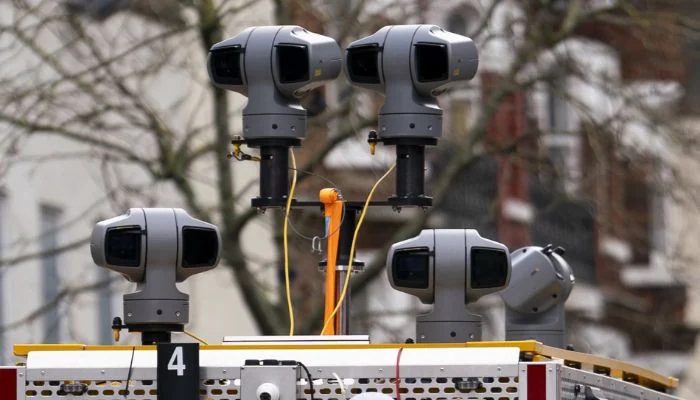
The United Kingdom (UK) is all set to launch one of the biggest immigration crackdowns in British history just a few days after changing the settlement rules for legal immigrants. The British government is planning to deploy live facial recognition (LFR) in transport hubs and public events across the country for general immigration enforcement.
The move comes after Home Secretary Shabana Mahmood doubled the immigration enforcement budget and increased its workforce by 60%, paving the way for tens of thousands of additional raids, arrests, and deportations. Immigration authorities previously tested facial recognition technology three times at Holyhead port in Wales between November 2025 and February 2026.
However, the latest plans could extend its use beyond ports to railway stations and other busy public places. The Home Office has confirmed that it is considering further trials, although no nationwide deployment date has been announced.
Under the proposed system, cameras would scan faces and compare them against government watchlists. Any potential match would require verification by immigration officers before enforcement action could be taken.
The government says children under 18 will not be included on the watchlists. However, privacy campaigners have raised concerns over possible misidentification and the use of surveillance technology against people accused of civil immigration violations.
The development follows Mahmood's November 2 announcement of new settlement rules that would increase the standard qualifying period for permanent residency from 5 to 10 years, with exceptions for certain workers. Civil liberties organizations have stated that the deployment of such advanced surveillance tools in open public spaces threatens the fundamental right to privacy.
They argue that algorithmic bias could lead to disproportionate targeting of minority communities during routine checks. Despite these criticisms, the Home Office maintains that safeguards are in place to ensure ethical usage.
Officials insist that human oversight will remain a mandatory component of every single verification process before any legal steps are initiated. Law enforcement agencies have defended the strategy, emphasizing that modern challenges require innovative technological solutions to maintain border security and combat illegal immigration effectively in a rapidly changing global environment.
Further consultations with stakeholders and privacy watchdogs are expected to take place in the coming weeks as Parliament reviews the broader implications of implementing nationwide biometric surveillance for immigration control.