
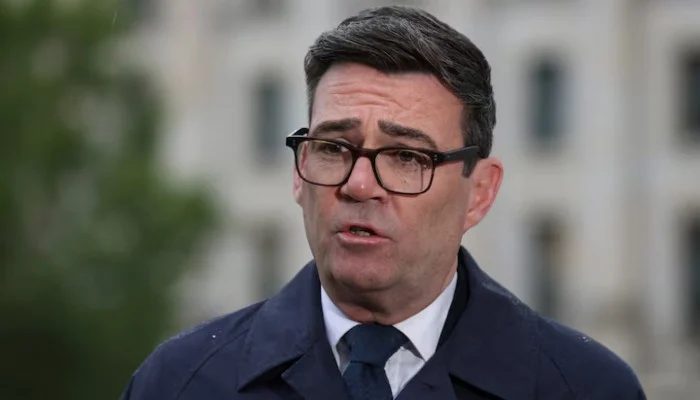
British Prime Minister Andy Burnham said Russia interfered in the 2016 Brexit vote, as he warned voters in France and Germany about Moscow-backed efforts to influence their politics. Burnham, who took over as Britain's leader in July and said last month that Britain could consider rejoining the European Union (EU) in the future, is the first British prime minister to say openly there was evidence of Russian interference in the referendum a decade ago.
"I asked the question coming to Downing Street, was there interference in the 2016 referendum from Russia? And I've had the clear answer that yes, there was," Burnham said in an interview with The Rest Is Politics podcast released on Sunday.
Burnham did not spell out how he believed that Russia interfered in the referendum and gave no details on what evidence this statement was based. The Russian embassy in London did not immediately respond to a request for comment.
Russia has previously denied meddling in the Brexit vote, casting Britain as gripped by anti-Russian hysteria. Burnham's comments mark a departure from those of former Prime Minister Boris Johnson, who campaigned to leave the EU, and said in 2020 there was no evidence of Russian interference in the referendum.
Britons voted 52%-48% to leave the EU in 2016, plunging the country into its biggest political crisis since World War Two. Burnham said voters in European democracies needed to be better informed about efforts to disrupt their politics.
"I mean, these things are important now to put clearly on the record, and I believe, help voters in Germany and France understand that some of this politics is instigated via our enemies, namely Russia," he said. The Prime Minister emphasized that the integrity of democratic processes remains a top priority for his administration.
He noted that intelligence reports have become increasingly sophisticated in identifying foreign state actors attempting to manipulate public opinion through digital platforms and disinformation campaigns. Political analysts in London suggest that Burnham's statement could signal a shift in Britain's foreign policy stance toward Moscow.
By bringing the issue to the forefront, the government aims to strengthen ties with European allies who are also facing similar challenges regarding election security. Opposition parties have called for a full disclosure of the evidence mentioned by the Prime Minister.
While the government has not yet released classified documents, the debate surrounding the 2016 referendum continues to be a sensitive topic in British political circles. As the geopolitical landscape in Europe remains volatile, Burnham's remarks serve as a reminder of the ongoing tensions between Western nations and the Kremlin.
The international community will be watching closely to see if further evidence is presented to support these serious allegations.