
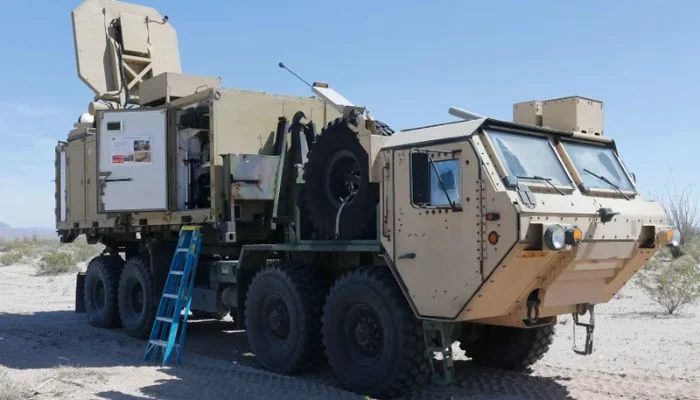
The United States (U.S.) Department of Homeland Security (DHS) can now use heat ray weapons potentially against illegal immigrants at the U.S.-Mexico border. The Pentagon permitted the use of the weapon that makes people feel that their skin is burning, raising serious concerns about its potential use.
According to CNN, Defense Secretary Pete Hegseth approved the transfer of the weapon, known as the Active Denial System (ADS), in a memo signed last month. How does the so-called heat ray work?
Unlike conventional weapons, the system fires an invisible beam of electromagnetic energy that heats the outer layer of human skin, creating an intense burning sensation. The beam can reach targets more than half a mile away, while military officials say its effects can include a tingling sensation lasting up to 15 minutes.
The weapon was previously deployed to Afghanistan but was never used in combat. The latest agreement allows DHS to borrow one ADS unit for seven months, with the possibility of requesting an extension.
However, the Pentagon's approval does not mean the weapon has already been deployed against migrants. The department has not disclosed where testing will take place or how the system might eventually be used.
The technology has also faced opposition within the U.S. government. In 2018, then-Homeland Security Secretary Kirstjen Nielsen rejected a proposal to use it against migrants.
Former border officials have warned that the weapon could cause people to flee into dangerous areas, including rivers, potentially increasing the risk of drowning. Another concern is whether firing the beam at people standing on Mexican territory would violate international boundaries.
The Pentagon has placed responsibility for operating the system and developing its tactics on DHS. Human rights organizations have expressed alarm over the deployment of non-lethal weapons that cause physical pain.
Critics argue that such technology could lead to excessive force against vulnerable populations seeking asylum. The debate continues as the U.S. government balances border security measures with humanitarian considerations.
The Active Denial System was developed by the U.S. military as a way to disperse crowds without causing permanent injury. However, the psychological impact of being targeted by an invisible, burning beam remains a point of contention among ethicists and legal experts.
As the situation develops, the international community remains watchful of how the U.S. will implement these protocols. The proximity of the border to residential areas in Mexico adds a layer of diplomatic complexity to the potential use of the ADS.
The DHS has stated that it will conduct a thorough review of the operational guidelines before any field deployment. This process is expected to take several weeks, during which time the unit will remain under secure storage.
Ultimately, the decision to utilize such advanced military hardware at a civilian border crossing marks a significant shift in border enforcement policy, signaling a more aggressive stance by the current administration.