
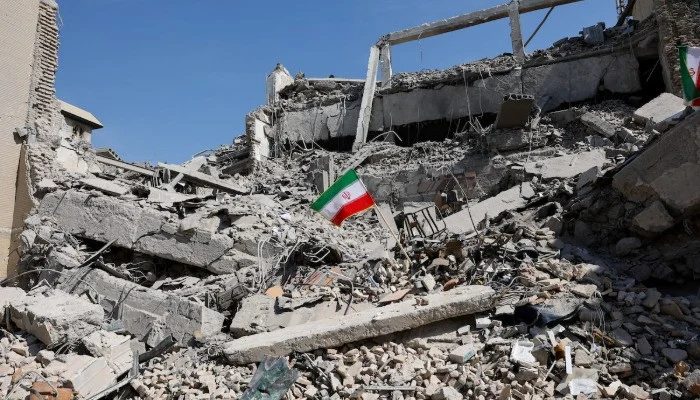
West Asia is approaching yet another dangerous juncture. Reports that the US and Israel are preparing plans for renewed strikes against Iran, coupled with Israeli fighter jets conducting sorties near the Iranian border, have raised fears of a wider regional war.
The approaching Israeli election on October 27 and US midterm elections on November 3 add another layer of political uncertainty. Although renewed hostilities are not inevitable, the convergence of military preparations, political calculations and mutual distrust makes the situation particularly precarious.
A host of factors may raise alarm about the emerging situation. First, military preparations do not necessarily mean that war is imminent, but they increase the risk of miscalculation.
According to reports in The New York Times and Axios, US and Israeli forces have developed options for another campaign against Iranian nuclear facilities, missile capabilities and potentially energy infrastructure. Israeli aircraft reportedly followed a flight path consistent with a possible strike before turning back near Iran's border.
While the operation was described as a deterrent exercise, some American officials reportedly suspected that Israel might have been testing whether Tehran would respond. Such signalling is dangerous.
Iran could interpret a military exercise as preparation for an imminent attack and take pre-emptive measures. A confrontation could therefore begin through miscalculation rather than a deliberate decision to launch a full-scale war.
Second, elections may influence the timing of military decisions, but they do not determine the outcome. Israeli Prime Minister Benjamin Netanyahu faces political uncertainty ahead of the October 27 election, although recent surveys show that the majority of Israelis support a far-right government.
Military action could reinforce his security credentials, but Iranian retaliation might disrupt the election and expose his government to criticism if the campaign failed to achieve its objectives. For US President Donald Trump, the US midterms present a different calculation.
Another war could raise oil prices, aggravate inflation and impose additional costs on American taxpayers. Yet the administration may also believe that military pressure could force Tehran to make concessions.
The reported buildup of American forces into early November strengthens Washington's options, but does not prove that Trump has decided to resume hostilities. The most dangerous period may be the weeks following the elections, when political constraints could change, and additional military capabilities become available.
Nevertheless, diplomatic considerations and the potential economic costs of war could still persuade Washington to postpone or abandon another attack. Third, it goes without saying that Iran would respond if the US or Israel renew strikes.
The scale of its retaliation would depend on the targets attacked and Tehran's assessment of the threat to its leadership and strategic capabilities. However, if Iranian leaders conclude that Washington and Jerusalem seek regime change rather than limited military objectives, they may widen the conflict.
Iran has warned that retaliation could extend beyond commercial shipping and energy infrastructure to regional military assets, data centres and undersea internet cables. These threats should not be treated as proof of future action, but they indicate the potential breadth of escalation.