
The Ministry of Finance has projected that Pakistan's economic recovery in FY2027 will be supported by improving crop prospects, selected manufacturing industries, domestic construction activity, and expanding external earnings. The report warned that persistent geopolitical tensions, recurring conflicts in the Gulf region, volatile oil prices, trade disruptions, and elevated global inflation could pose downside risks to the economy.
Headline inflation is projected to range between 9.5 and 10.5 percent in October 2026, with its subsequent trajectory depending on international energy prices, food supplies, and base effects. Continued progress in tax administration, energy efficiency, and state-owned enterprise reform is expected to support sustainable economic expansion while containing pressures on the external account, the report said.
"Pakistan's economy continued to consolidate macroeconomic stability during the first quarter of the fiscal year 2027, as stronger external inflows helped sustain the recovery amid the ongoing Middle East crisis and higher international energy prices," the Ministry of Finance stated in its monthly economic report released on Thursday.
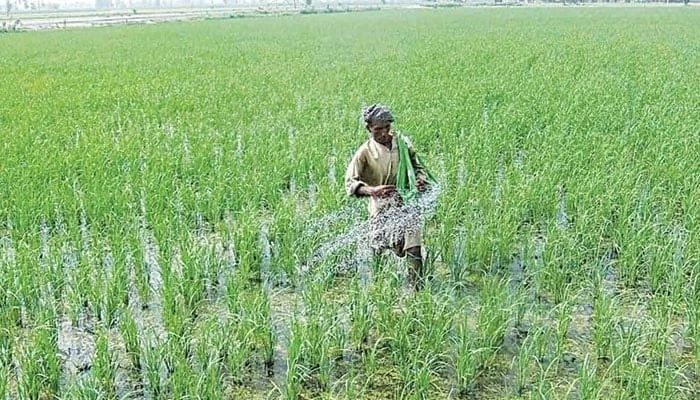
Stronger agricultural output is expected to support food processing, rural incomes, and trade, while machinery imports are contributing to productive capacity as investment projects are implemented. Rising services exports and workers' remittances provide additional sources of foreign exchange and household income.
The stronger reserve position and broader access to external financing are creating a more supportive economic environment. Fiscal policy remains focused on preserving stability through stronger revenue mobilisation, prudent expenditure management, and targeted support for vulnerable segments of the population.
The fiscal surplus provides a useful starting point. The quarter's most encouraging development was the improvement in external financing, marked by a successful sovereign Eurobond issuance and higher foreign direct investment.
Strong growth in workers' remittances and services exports underpinned these inflows, providing a sustained stream of non-debt earnings. Backed by these buffers, the rupee remained stable, reinforcing confidence in the economy's ability to meet its external obligations and absorb external shocks.
This stronger external cushion has enabled the domestic economy to absorb the energy shock while sustaining economic activity. Kharif harvests have been markedly better, while buoyant automobile production and domestic cement demand reflect sustained activity in the assembly and construction sectors.
Public finances have remained disciplined, with tax collection exceeding its quarterly target and the budget remaining in both overall and primary surplus. These fiscal surpluses, combined with external financing, are reducing the government's reliance on bank borrowing.
The staff-level agreement with the IMF recognised continued programme implementation and progress in revenue administration, public financial management, and energy reform, providing further assurance about the policy direction. Revised national accounts show that the economy sustained growth during FY2026, with agriculture contributing more than previously estimated.
Real GDP growth is now estimated at 3.65 percent, marginally below the earlier estimate of 3.70 percent. Agricultural growth was revised upwards to 3.50 percent from 2.89 percent.