
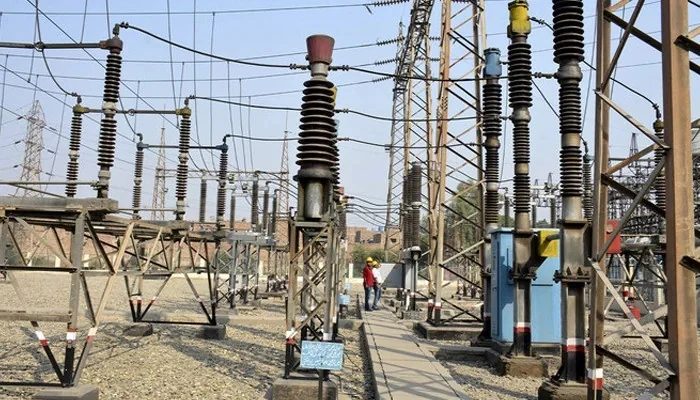
Pakistan's electricity consumers are paying a staggering price for the failure of the National Grid Company (NGC), formerly NTDC, to transfer cheaper electricity from Sindh and southern Pakistan to major consumption centres in the north. Transmission bottlenecks are forcing the power system to rely on expensive RLNG and imported-coal generation while comparatively cheaper Thar coal, nuclear and wind-based electricity remains underutilised - a costly contradiction that is aggravating the country's power tariff crisis.
The issue has emerged as a major concern for industry, with the Federation of Pakistan Chambers of Commerce and Industry (FPCCI) questioning the proposed CY2027 Power Purchase Price Reference and demanding accountability for transmission-related inefficiencies. The body has warned that consumers must not be forced to bear the financial consequences of a grid that cannot evacuate cheaper electricity despite the availability of generation capacity.
It has also raised serious concerns in its reference to the CPPA petition, particularly regarding the apparent intention of the government entity to increase fixed charges, in the form of capacity payments, ostensibly to generate billions of rupees to sustain the disproportionately high salaries, perks and administrative expenses of managing directors, CEOs and other senior executives heading various power-sector entities.
At the same time, the proposed reduction in variable charges risks creating a misleading impression of relief while shifting the financial burden onto end consumers through higher fixed charges. At a NEPRA hearing on the June 2026 Fuel Cost Adjustment, transmission constraints were reported to have imposed an annual burden exceeding Rs400 billion.
Based on projected generation of 130,081 GWh, this translates into an implied cost of approximately Rs3.07 per unit - a massive burden on consumers and the economy. The cost differential between southern generation and expensive fuel-based electricity exposes the scale of the problem.
In June 2026, RLNG-based electricity carried a fuel cost of Rs35.5087 per unit, compared with Rs11.4629 for Thar coal and Rs2.8501 for nuclear generation. Replacing RLNG with Thar coal could therefore save around Rs24 per unit in fuel costs alone.