
NEW DELHI: India's capital Delhi overtook An AQI reading up to 50 is considered good with little or no health risk.
- India's official Central The Swiss and Indian readings vary due to the different AQI scales and methodologies used to calculate and classify air pollution levels.
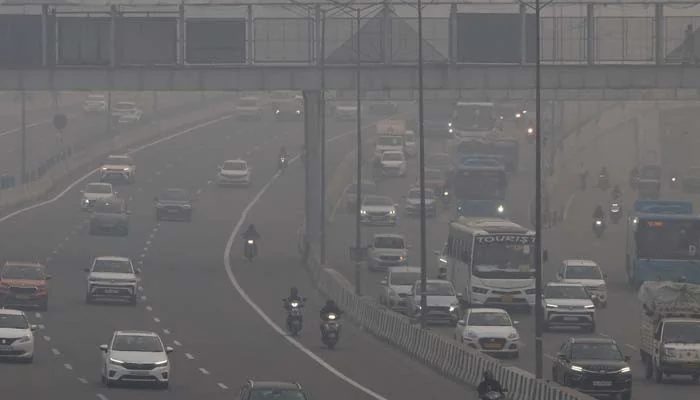
- Cars and motorcycles emerged from dense smog, which also appeared to obscure street lights on the city's main roads, videos from news agency ANI showed.
- Health experts have warned that the current levels of particulate matter pose significant risks to residents, particularly children, the elderly, and those with pre-existing respiratory conditions.
India's official Central The Swiss and Indian readings vary due to the different AQI scales and methodologies used to calculate and classify air pollution levels.
Cars and motorcycles emerged from dense smog, which also appeared to obscure street lights on the city's main roads, videos from news agency ANI showed. Pollution is a seasonal problem in many parts of northern India and neighbouring Pakistan, as the cold, heavy air of winter traps vehicle emissions, construction dust and smoke from agricultural burning.
Health experts have warned that the current levels of particulate matter pose significant risks to residents, particularly children, the elderly, and those with pre-existing respiratory conditions. Local authorities in Delhi have begun implementing emergency measures, including restrictions on construction activities and the use of diesel-powered generators, to mitigate the impact of the toxic air.
In Lahore, while the situation remains critical, authorities are also struggling to manage the transboundary nature of the smog, which often drifts across the border between the two nations. Environmentalists argue that long-term solutions, such as transitioning to cleaner energy sources and improving public transport, are essential to combat the recurring winter crisis.
As the winter season progresses, meteorologists predict that the smog will likely persist until wind patterns shift, providing little relief to the millions living in the affected regions.