
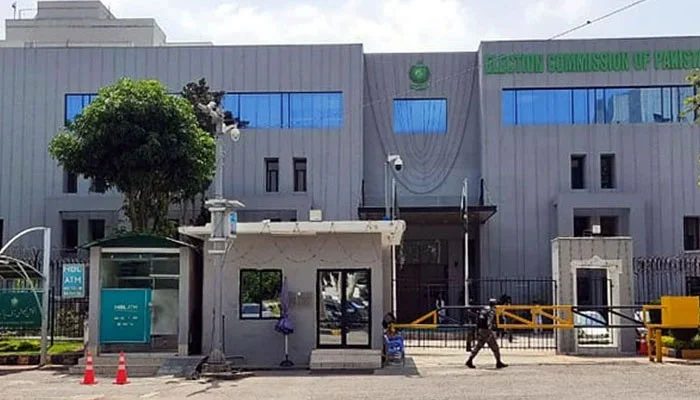
The Election Commission of Pakistan (ECP) has proposed safeguards against the misuse of artificial intelligence (AI) during elections, seeking to prevent voters from being misled by deepfakes and manipulated campaign material. The proposed amendments to the "Code of Conduct for Political Parties" bar parties, candidates, election agents and their supporters from creating or disseminating AI-generated or manipulated material likely to deceive voters about its authenticity or misrepresent a person's words, actions or likeness.
Under the proposed rules, campaign material generated or substantially altered through AI - including deepfake images, videos, audio clips and synthetic voices - would have to carry "clear and conspicuous disclosure" identifying it as AI-generated or AI-assisted. Such material would also have to comply with election laws and the relevant code of conduct.
The ECP has proposed a strict prohibition on using AI-powered deepfake technology to create false, derogatory or defamatory synthetic likenesses, voices or statements of candidates, party leaders, their supporters, election officials, members of the judiciary, the armed forces or other state functionaries.
Political parties, candidates and election agents would also be barred from using AI-based bots, automated accounts or similar tools to create fake trends and engagement - including likes, comments, shares and followers - aimed at giving a false impression of public support.
The proposed code would also require parties and candidates using AI for voter outreach through robocalls or voice-cloned messages to disclose at the beginning of the call or message that the content was AI-generated. Political parties and candidates would be required to retain records of all AI-generated or AI-assisted campaign content used during the election period and provide complete details to the ECP whenever required.
The proposed amendments extend beyond political parties, with separate provisions covering media organisations and election observers. Print, electronic and digital media, journalists, newspapers, television channels and social media influencers would be required to clearly label and disclose AI-generated or manipulated election-related material, including synthetic images, videos, audio and voice-cloned content, at the time of broadcast, publication or circulation.
The proposed media code would prohibit the use of deepfake technology to create false, derogatory or defamatory synthetic likenesses, voices or statements involving candidates, party leaders, their supporters, election officials, members of the judiciary, the armed forces and other state functionaries. Media organisations would be allowed to use AI for election-related content generation, translation, anchoring or analysis, provided they disclose its use to their audiences and remain responsible for the accuracy and authenticity of AI-assisted content.
The Pakistan Electronic Media Regulatory Authority (Pemra), Social Media Protection Regulatory Authority (SMPRA) and National Cyber Crime Investigation Agency (NCCIA) would be required to monitor print, electronic, digital and social media for undisclosed or unlabelled AI-generated election-related content. They would also have to take appropriate action in cases of non-compliance and submit reports to the poll organising body.