
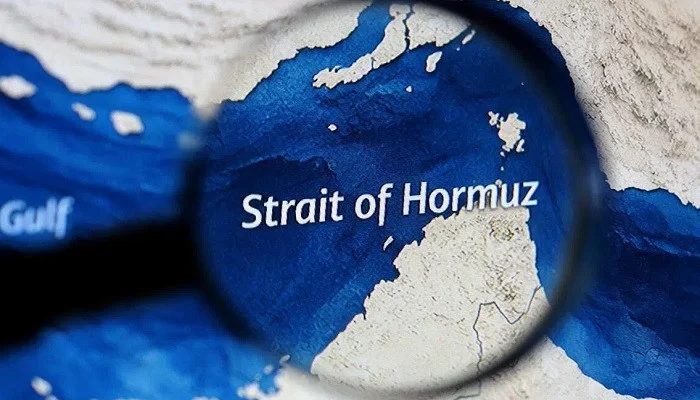
A failure by the United States and Iran to agree within weeks on a UN-backed plan for moving fertiliser through the Strait of Hormuz could cause a food security crisis in parts of Asia and Africa, an official overseeing the proposed scheme said on Wednesday.
The United Nations set up a task force in March to facilitate passage of fertilisers through the strait. It has yet to implement the mechanism it drew up, but United Nations Under-Secretary-General Jorge Moreira da Silva said this could be activated within 7-10 days of an agreement between Washington and Tehran.
"It's absolutely crucial to get the deal in the next few weeks. Otherwise, we will miss the planting season," he said in an interview in Bangkok, on the sidelines of the International Monetary Fund and World Bank annual meetings.
In response to questions, he noted that the United States would continue to take decisive action against Iran's attempts to disrupt freedom of navigation through the Strait of Hormuz. The White House and Iran's Embassy in Bangkok did not immediately reply to a request for comment.
Iran has sought to tighten its grip on the Strait of Hormuz since US and Israeli strikes on February 28, using the chokepoint to pressure Washington. Before the war, the waterway handled roughly a third of globally traded urea and nearly half of seaborne sulphur.
Fertiliser shipments out of the Gulf region remained largely halted more than six months after the start of the conflict, the Washington-based International Food Policy Research Institute said in a note last month. If the Hormuz disruption continues, commodity prices could rise by up to 81% for cereals, 66% for oil crops and 30% for animal products, according to an August report by the International Chamber of Commerce.
"If we miss that planting season, the productivity of agriculture would significantly drop and the impact on prices will significantly increase," said Moreira da Silva, who is also the executive director of the United Nations Office for Project Services. The proposed operation would use a coordination centre in Oman to register vessels and coordinate safe passage, with UN monitors working alongside local authorities at Gulf ports to verify cargo loading.
The passage of only five vessels per day through Hormuz could keep fertiliser supplies flowing to countries in critical need, Moreira da Silva added. Iran and the United States have exchanged proposals through intermediaries since a June interim ceasefire collapsed, but efforts to reopen the Strait of Hormuz have stalled over Tehran's conditions and Washington's insistence on addressing Iran's nuclear programme from the outset.
The proposed UN mechanism could operate alongside negotiations on a comprehensive deal aimed at securing lasting peace and freedom of navigation, Moreira da Silva concluded.