
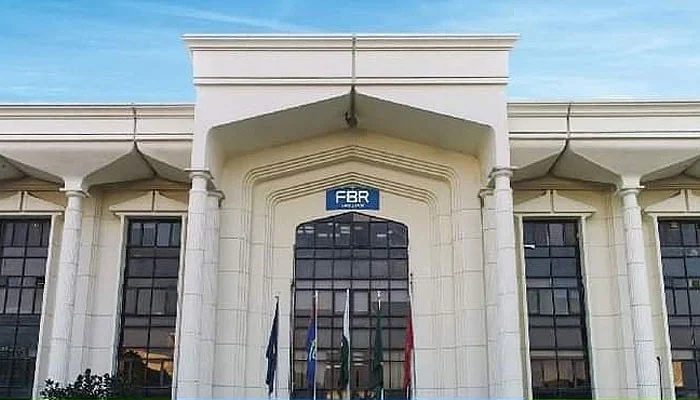
With the expiry of the deadline for filing income tax returns, the Federal Board of Revenue (FBR) has received a lukewarm response from millions of retailers across the country. Official data indicates that only 1,750 retailers have availed the fixed tax scheme, with a mere 220 of those being fresh filers.
This lack of participation highlights a significant disconnect between the tax authorities and the retail sector. Meanwhile, the FBR has reported a collection of Rs4,088.2 billion during the first four months of the current fiscal year (July-October).
Against the assigned target of Rs4,217.2 billion, the board has registered a shortfall of Rs129 billion. This performance gap has raised concerns among economic analysts regarding the feasibility of meeting the ambitious annual revenue targets set for the current fiscal year.
The FBR has achieved a growth rate of only 7 percent so far. However, to reach the annual target of Rs15,264 billion by June 30, 2027, the board requires a sustained growth rate of 17 percent.
The total number of income tax returns received by the final deadline of October 31, 2026, stands at 7.6 million, a figure that officials believe could have been higher with better compliance. To facilitate taxpayers, the FBR had granted two extensions for filing returns, moving the deadline from September 30 to October 15, and subsequently to October 31, 2026.
Despite these concessions, the response remained below expectations. An FBR official, speaking on the condition of anonymity, confirmed that there will be no further extensions granted after the October 31 deadline.
The revenue collection for the month of October reached Rs1,002 billion, showing a slight improvement from the Rs975 billion recorded on the final day of the month. While the monthly figures show some momentum, the overall fiscal trajectory remains under pressure due to the shortfall in the initial months.
The most concerning aspect of the current situation remains the poor response to the fixed tax scheme. This is particularly alarming when considering that FBR estimates suggest there are approximately 3.6 million potential non-filers among retailers.
Bringing this segment into the tax net is considered essential for broadening the country's narrow tax base. Economic experts suggest that the lack of trust and the complexity of the tax filing process are major hurdles.
Many retailers fear that registering under the fixed tax scheme could lead to increased scrutiny from tax authorities, despite government assurances to the contrary. The government is now under pressure to devise a more effective strategy to engage the retail sector.
Without a significant increase in the number of filers, the FBR may struggle to bridge the widening gap between its revenue targets and actual collections. As the FBR moves forward, the focus is expected to shift toward enforcement measures for those who have failed to file their returns.
The board is likely to utilize data analytics to identify high-net-worth individuals and businesses that remain outside the tax net. Ultimately, the success of the FBR's revenue collection efforts will depend on its ability to simplify the tax regime and ensure that the burden of taxation is distributed more equitably across all sectors of the economy, particularly the retail trade.