
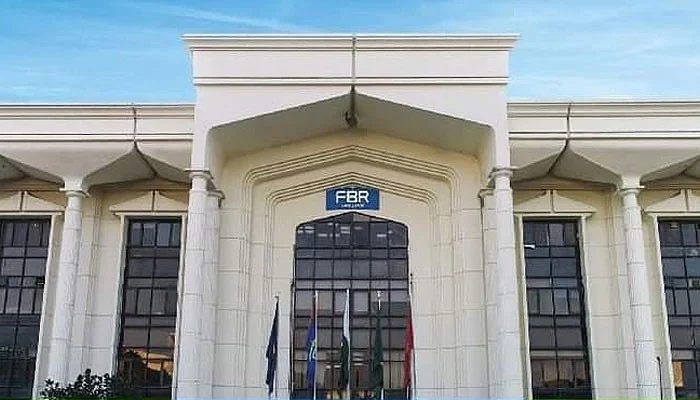
As the income tax return filing deadline of October 31, 2026, approaches, the Federal Board of Revenue (FBR) has outlined the functions and procedures for Faceless Assessment. The extended deadline is nearing, and the FBR may not grant any further extension.
According to a Statutory Regulatory Order (SRO) issued by the FBR, the Faceless Assessment Unit will perform functions including: best judgement assessment under section 121; amendment of assessment under section 122 based on audit or definite information; provisional assessment under section 123; orders giving effect to appellate orders under sections 124 and 124A; rectification of mistakes under section 221; and ancillary proceedings, including the issuance of notices under section 176 and the imposition of penalties or default surcharges.
When a case is allocated through the automated system, the unit officer will examine the record, the order under section 11, and the audit report in accordance with the law. The officer will issue a notice to the taxpayer, providing an opportunity to be heard.
Taxpayers must submit all replies and evidence through their designated account on IRIS in accordance with rule 239. During proceedings, the officer may seek technical assistance - including valuation, forensic, or sectoral expertise - request physical verification under rule 241, and conduct an e-hearing under section 227E.
If an income tax authority is succeeded by another, the new authority may continue proceedings from the stage left by the predecessor. This ensures continuity in the assessment process without causing unnecessary delays for the taxpayers.
In a separate SRO, 1904(I)/2026, amending the Income Tax Rules, 2002, the FBR has inserted a new Rule 33U in Chapter VIIA. This rule specifies eligibility criteria, investment costs, and documentation requirements for claiming tax credits under section 64D of the Income Tax Ordinance, 2001.
The FBR has emphasized that the automated system is designed to minimize human interaction, thereby reducing the potential for corruption and ensuring transparency. Taxpayers are encouraged to ensure their data is accurate before submission.
The board has also clarified that the faceless unit will operate under strict oversight to ensure that all assessments are fair and legally sound. Any grievances regarding the assessment can be addressed through the existing appellate forums.
With the deadline just days away, the FBR has urged all registered taxpayers to complete their filings promptly to avoid penalties. The transition to a digital, faceless regime is a key component of the government's broader tax reform agenda.
As the economy faces challenges, the FBR remains committed to broadening the tax base through technology-driven solutions. The success of this initiative depends on the cooperation of taxpayers and the efficiency of the automated assessment units.