
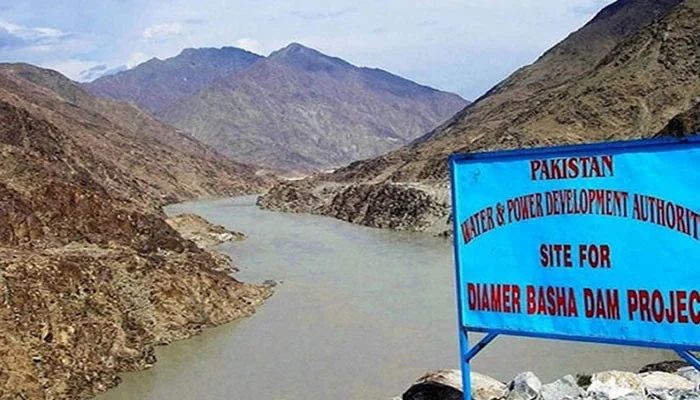
The Ministry of Water Resources informed the National Assembly that the cost of the Diamer-Bhasha Dam project under its PC-I (Dam Part) has surged from Rs479 billion to Rs1,121 billion, marking an escalation of Rs642 billion. In a written reply to a question by Dr. Sharmila Faruqui, the ministry attributed the increase to foreign exchange fluctuations.
The original PC-I, approved by the Executive Committee of the National Economic Council (ECNEC) in November 2018, was based on an exchange rate of Rs105.30 per US dollar and 2016 price indices. The ministry noted that the revised PC-I accounts for the exchange rate climbing to Rs280 per US dollar, interest on commercial loans during construction, enhanced security measures, and rising costs of construction materials.
Similarly, the Dasu Hydropower Project (Stage-I) has seen its cost jump from Rs486 billion to Rs1,740 billion - an increase of approximately 260 per cent. Government documents highlight that the price of a 50-kilogramme bag of cement has risen from Rs530 to Rs1,610, while steel and iron bar prices have surged by 268 per cent.
Parliamentary Secretary for Water Resources Rana Ansar stated that the government is currently sponsoring 18 dams to bolster water storage capacity across the country. These projects are deemed essential for the long-term energy and agricultural security of Pakistan, despite the fiscal challenges posed by global economic shifts.
Separately, Federal Minister for National Health Services Syed Mustafa Kamal informed the National Assembly that the government is working toward self-reliance in indigenous vaccine production. This initiative is critical as annual procurement costs for vaccines are projected to reach $1.2 billion by 2030.
He added that a barcode-based system will be implemented nationwide to curb the sale of counterfeit medicines. This digital tracking mechanism will allow consumers to verify product authenticity, pricing, and expiry dates, ensuring better health outcomes for the public.
The government maintains that while infrastructure and health costs are rising, these investments are necessary for sustainable development. Officials emphasized that the revised PC-I documents reflect the current economic reality of the country.
The Ministry of Water Resources continues to monitor the progress of these mega-projects to ensure that further delays or cost escalations are minimized. The focus remains on completing the dams within the newly revised timelines to address the looming water crisis.
Furthermore, the health ministry is coordinating with international partners to transfer technology for vaccine manufacturing. This move is expected to reduce the burden on the national exchequer in the coming decade.
In conclusion, the National Assembly was assured that transparency in project management and health sector reforms remains a top priority for the current administration as it navigates these complex economic hurdles.