
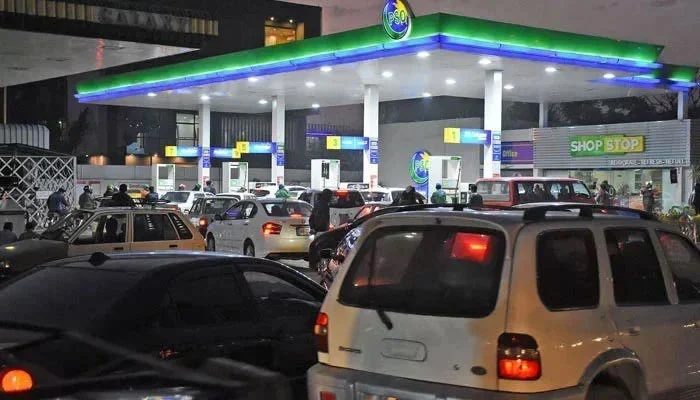
Federal Minister for Petroleum Ali Pervaiz Malik on Tuesday defended the government's decision to revise petroleum prices daily, stating that the mechanism allows domestic prices to reflect international market trends more promptly and helps maintain an uninterrupted supply chain. Responding to a Calling Attention Notice in the National Assembly, Malik said the Oil and Gas Regulatory Authority (OGRA) determines prices through a transparent mechanism based on the seven-day rolling average of international market prices.
He explained that prices, previously revised annually and later monthly, are now adjusted daily to reflect changing market conditions. Trends generally become clear within three to four days, helping avoid unnecessary inconvenience to consumers.
Petrol and diesel prices were reduced a day earlier following a cut in refineries' gross refining margins on the prime minister's instructions, he added. During a discussion on the relocation of Pakistan Petroleum Limited (PPL) headquarters from Karachi to Islamabad, Pakistan Peoples Party (PPP) members expressed dissatisfaction with the Parliamentary Secretary for Petroleum Division's response.
National Assembly Speaker Sardar Ayaz Sadiq noted the absence of ministry officials, prompting the minister's arrival to address the house. Malik clarified that the relocation was a routine administrative decision approved by the PPL board to ensure official availability in the capital and reduce travel expenses.
He emphasized that the move is intended to streamline operations and improve coordination between the company and the federal government. Former prime minister Raja Pervaiz Ashraf raised the issue of the sealing of Islamabad's newspaper market, which disrupted distribution for three days.
The deputy speaker directed Junaid Anwar to investigate the matter and report back to the assembly regarding the impact on media operations. Meanwhile, Minister of State for Finance Bilal Azhar Kiani stated that consultations are underway with the All Pakistan Textile Mills Association (APTMA) and other stakeholders to address value-chain issues.
He noted that the government is committed to resolving industrial bottlenecks to boost exports. Minister for Planning and Development Ahsan Iqbal announced that Balochistan has received Rs200 billion in the development budget, alongside 5,000 additional scholarships for students from Balochistan and tribal districts.
He highlighted that these initiatives are part of the government's broader strategy to integrate underdeveloped regions into the national economy. The session also touched upon the broader economic outlook, with members debating the impact of global inflation on local purchasing power.
The government reiterated its commitment to fiscal discipline while ensuring that essential services remain accessible to the public. The opposition benches demanded a more detailed briefing on the long-term implications of daily price adjustments.
The minister assured the house that the government remains open to suggestions to refine the pricing mechanism further. The proceedings concluded with the Speaker adjourning the session until the next working day, following the completion of the agenda items related to the petroleum and finance divisions.