
The federal government has officially approved the establishment of the Karachi Industrial Park (KIP), a massive project spanning 6,409 acres of Pakistan Steel Mills land situated near Port Muhammad Bin Qasim. This initiative, which has reportedly received backing from the International Monetary Fund (IMF), is set to be designated as a Federal Special Economic Zone (SEZ).
The primary objective of this project is to attract both domestic and foreign export-oriented industries. By creating a conducive environment, the government aims to encourage Chinese and other international investors to establish large-scale manufacturing facilities within Pakistan.
The ultimate goal is to produce high-quality, value-added goods for overseas markets while simultaneously generating significant employment opportunities for the local workforce. This approval comes at a critical juncture as Pakistan navigates its commitments under the current IMF programme.
A key component of these commitments is the phased withdrawal of tax incentives for special economic zones by 2035. This marks a strategic shift in the country's industrial investment model, moving away from reliance on tax holidays toward a framework built on robust infrastructure, superior export performance, and a highly competitive business environment.
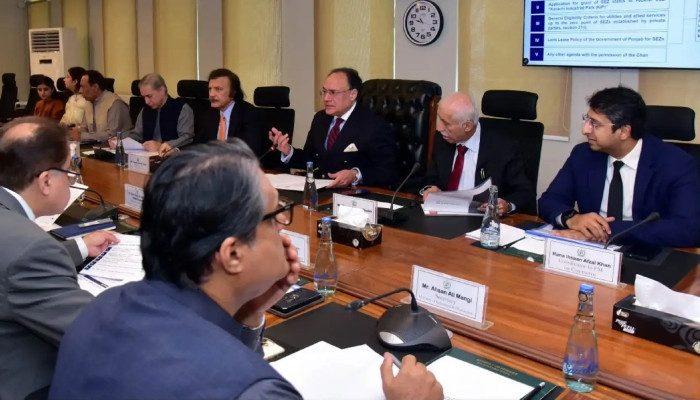
The formal approval was granted during the 11th meeting of the Board of Approvals (BOA) for the Federal Special Economic Zones Authority. The session was chaired by the Federal Minister for Finance and Revenue, Senator Muhammad Aurangzeb, operating under the strategic umbrella of the Special Investment Facilitation Council (SIFC).
KIP holds the distinction of being the first zone approved under the new Federal SEZ framework, which was introduced through the Special Economic Zones (Amendment) Act, 2026. This legislative change was designed to streamline the process for industrial growth and provide a dedicated, high-efficiency platform for manufacturers.
By centralizing industrial operations, the government expects to reduce the cost of doing business and improve supply chain logistics. The proximity to Port Muhammad Bin Qasim is a strategic advantage, ensuring that export-oriented industries have seamless access to maritime trade routes, thereby enhancing the competitiveness of Pakistani products on the global stage.
Economic analysts suggest that the success of this park will be a litmus test for Pakistan's ability to transition toward an export-led growth model. With the support of the SIFC, the project is expected to fast-track the development of necessary utilities and industrial infrastructure, ensuring that the park becomes operational within the stipulated timelines.
Furthermore, the involvement of international stakeholders is expected to bring in advanced technology and modern management practices. This transfer of knowledge is seen as vital for upgrading Pakistan's industrial base and moving up the global value chain, which has been a long-standing challenge for the national economy.
As the project moves into the implementation phase, the government remains focused on maintaining transparency and ensuring that the regulatory environment remains stable for long-term investors. The shift away from tax-based incentives is intended to create a more sustainable and equitable economic landscape that rewards productivity and innovation.
In conclusion, the Karachi Industrial Park represents a significant step forward in Pakistan's economic reform agenda. By aligning industrial policy with international standards and fiscal discipline, the government hopes to transform the country into a regional hub for manufacturing and trade, ultimately fostering long-term economic stability and prosperity.